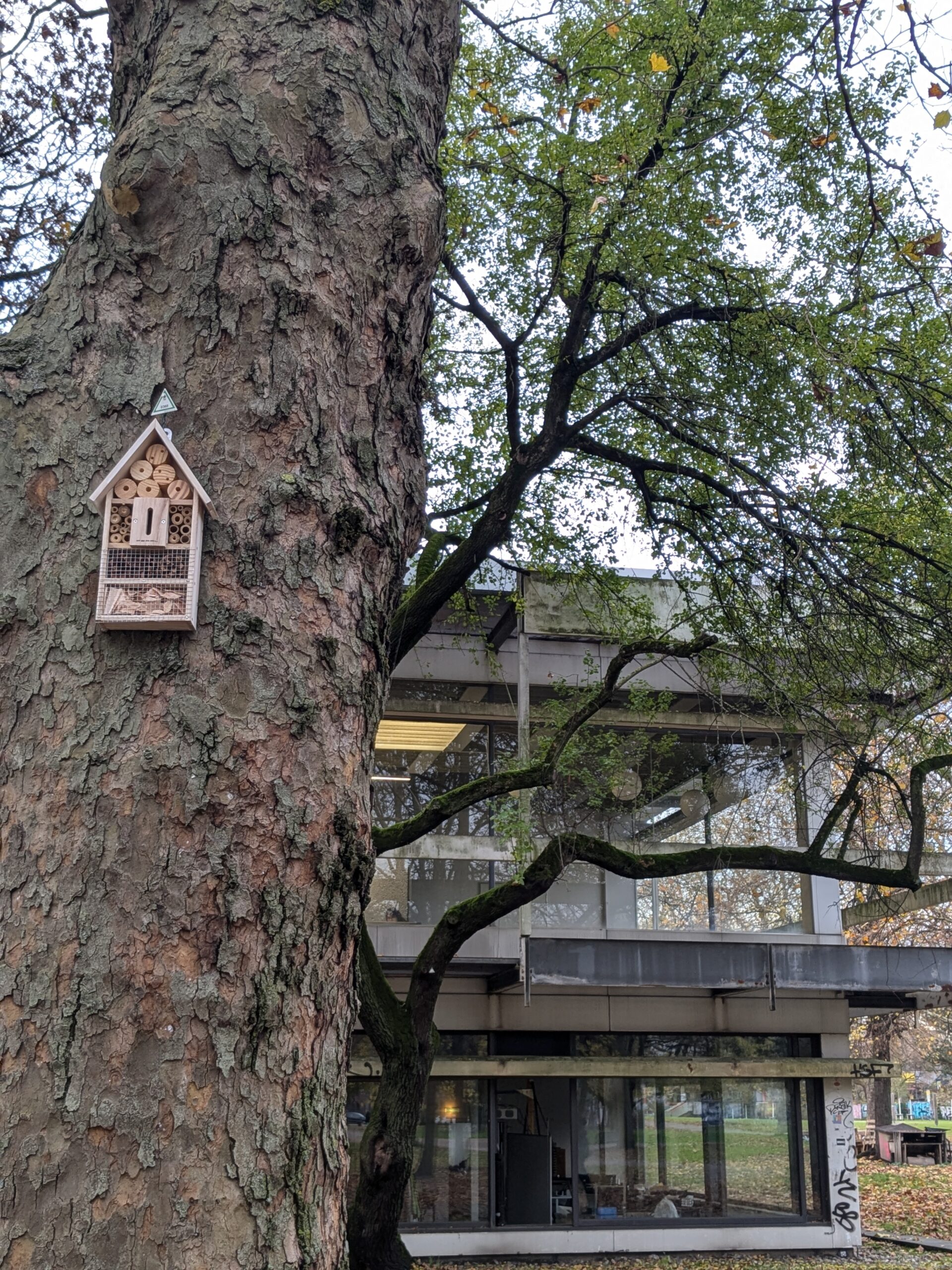
CRC1601 insect hotels are ready for moving in
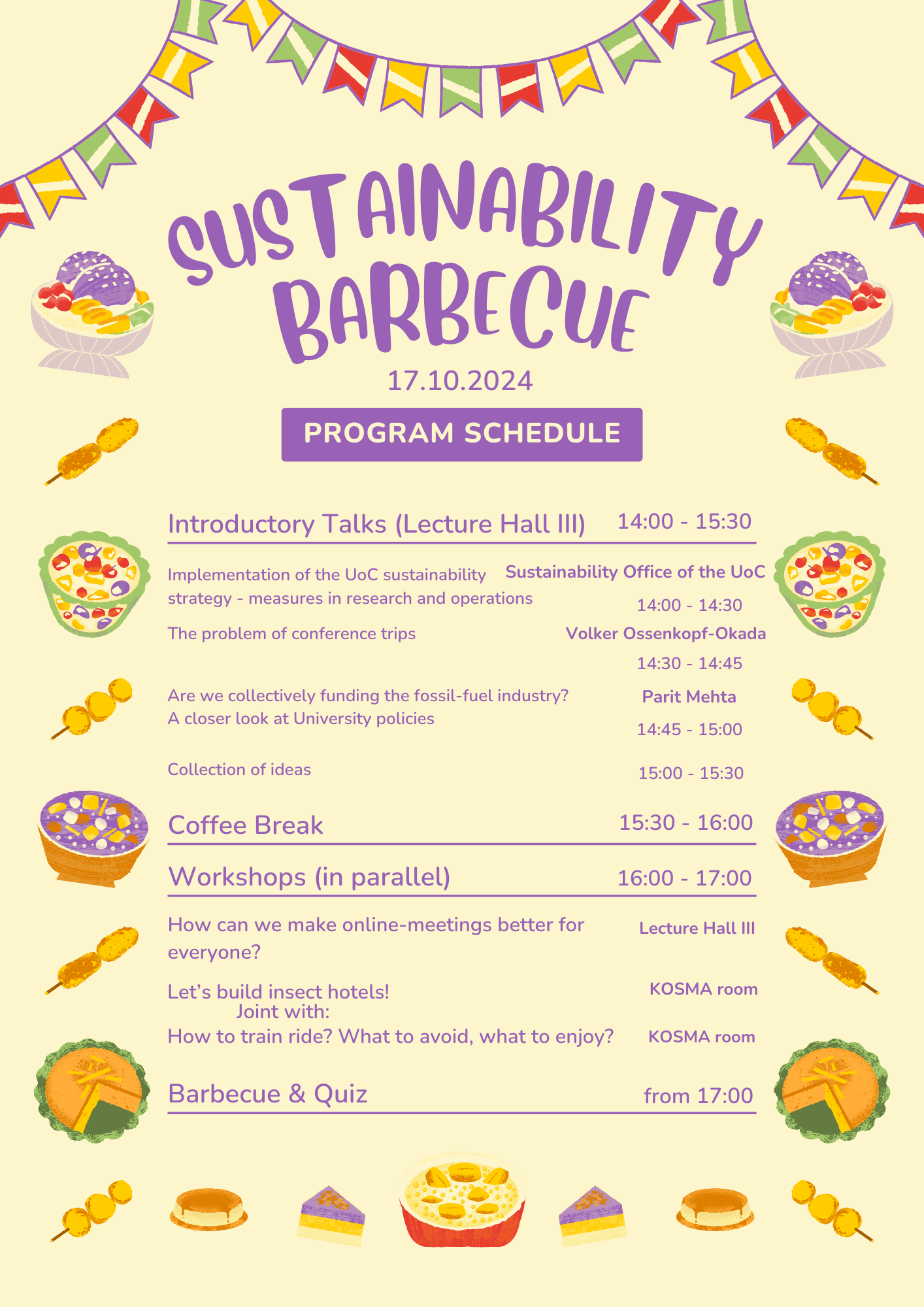
The CRC1601 devotes the afternoon of October 17 to sustainability!
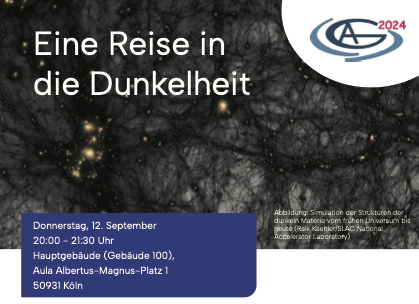
Eine Reise in die Dunkelheit – Andrina Nicola (12.09.24, Universität zu Köln)
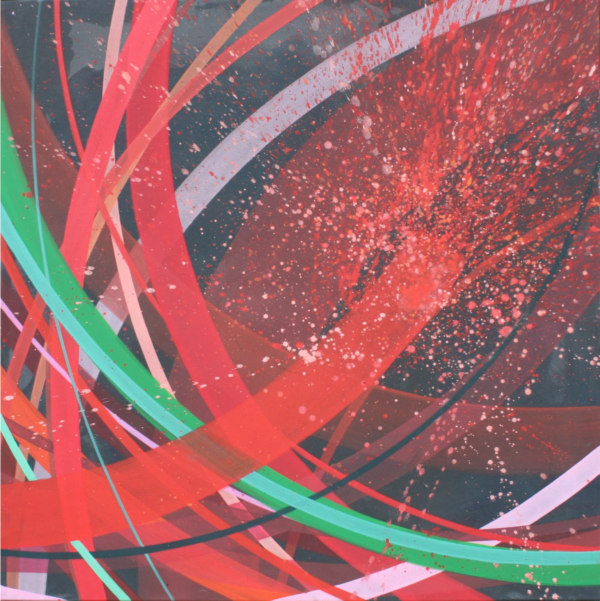
Space Debris – Art Exhibition by Iris Nitzl (09-13.09.24, University of Cologne)
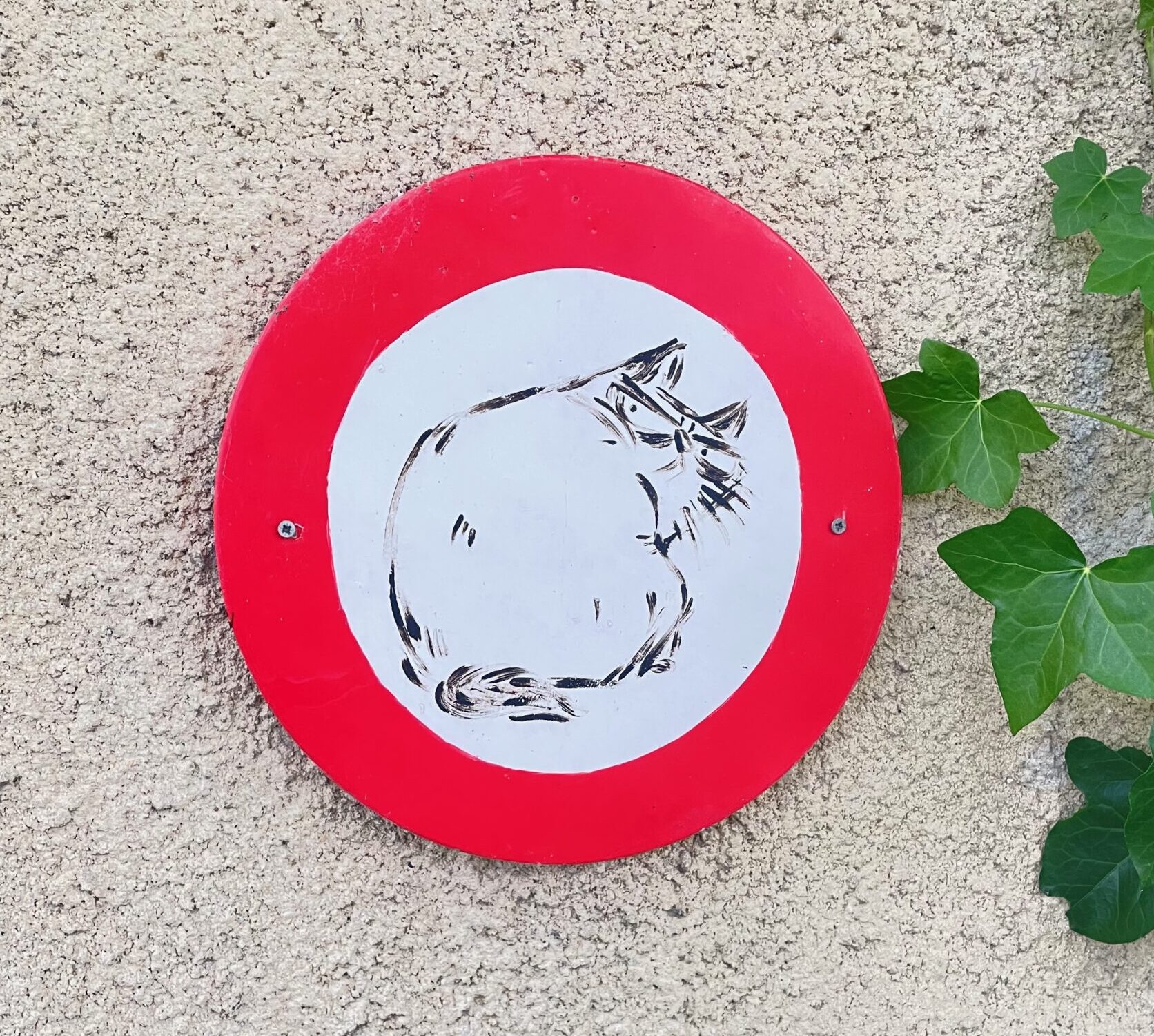
Science Communication Seminar
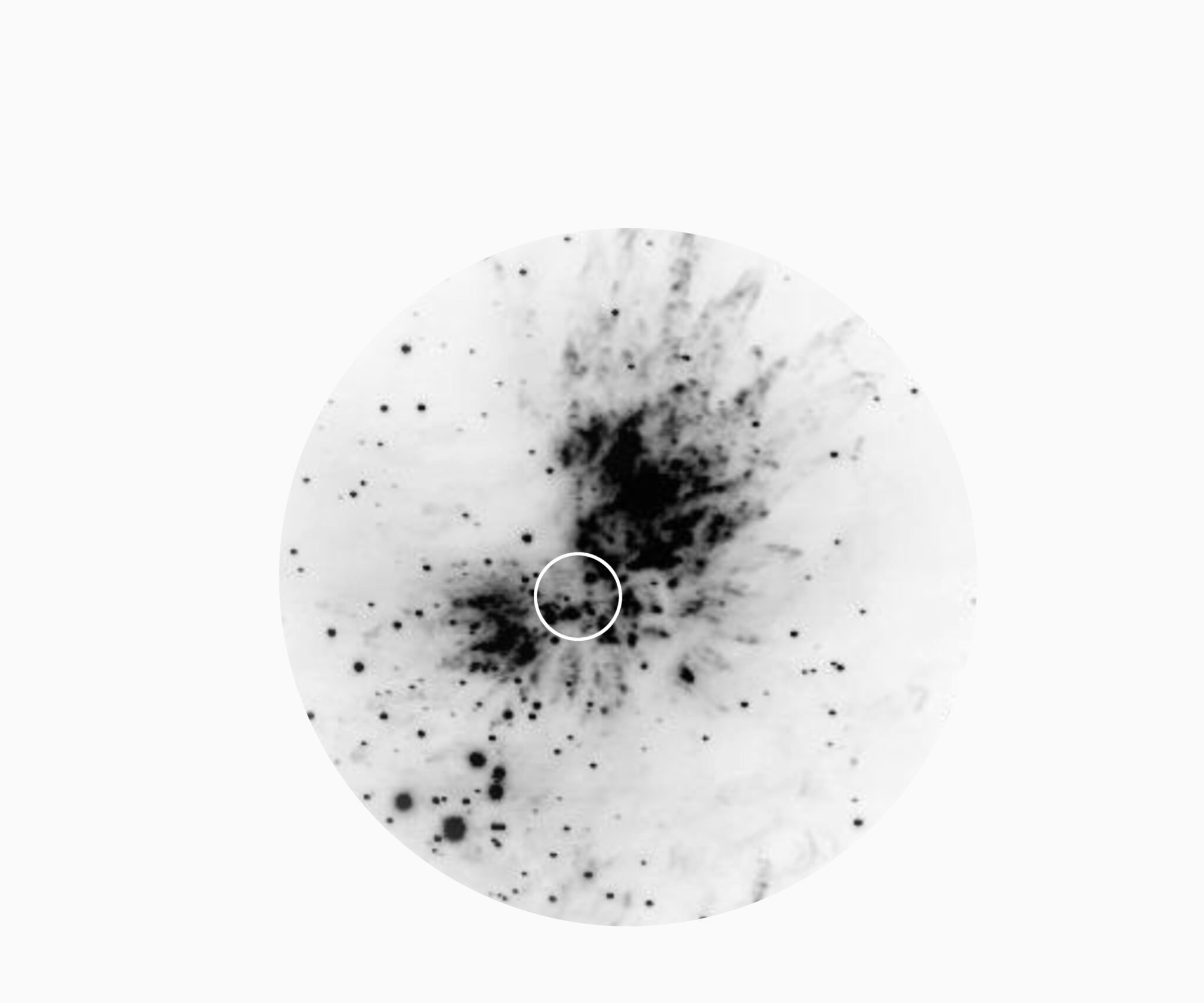
Leuchtstoffraum 2, Kleinmann-Low 16.1 channel sound installation – Julian Rohrhuber & Volker Ossenkopf-Okada (18.04.24, Weltkunstzimmer Düsseldorf)
Die Entstehung von Sternen und Planetensystemen – Stefanie Walch-Gassner (22.02.24, Volkssternwarte Köln)
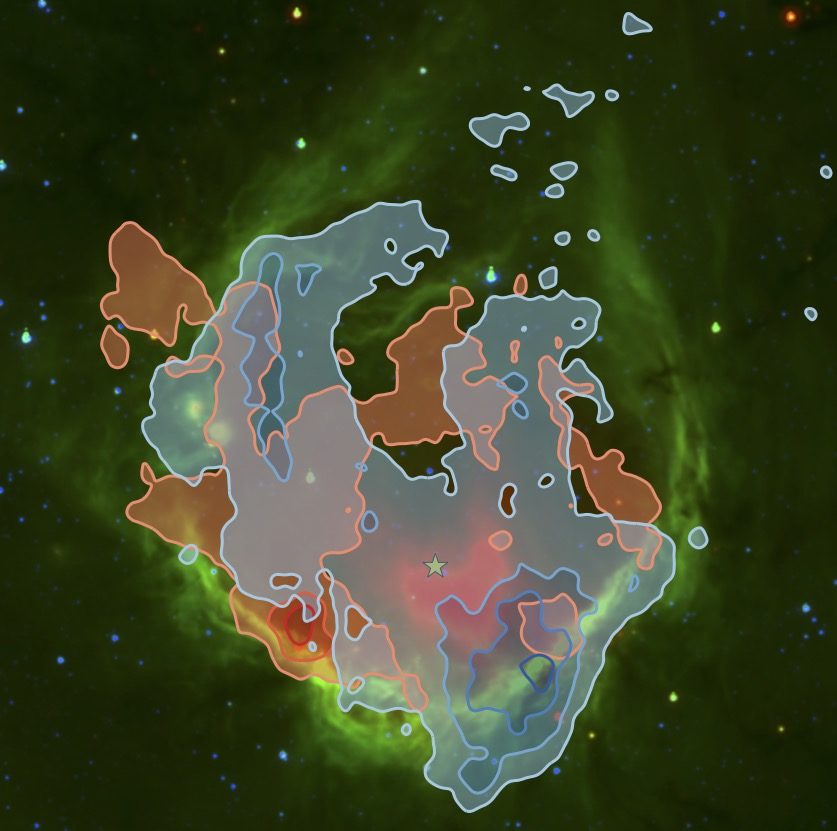
Vortrag in der Volkssternwarte
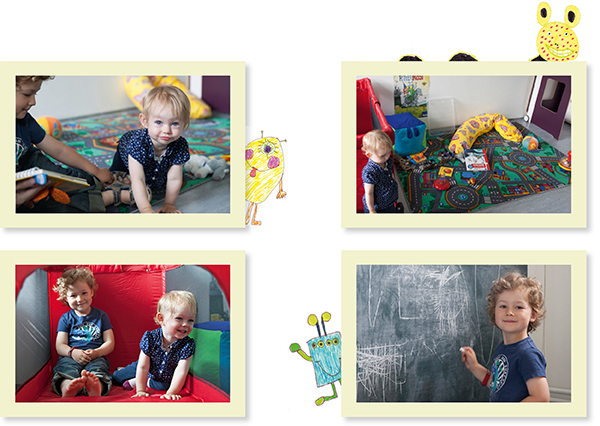
Parent-Child Room
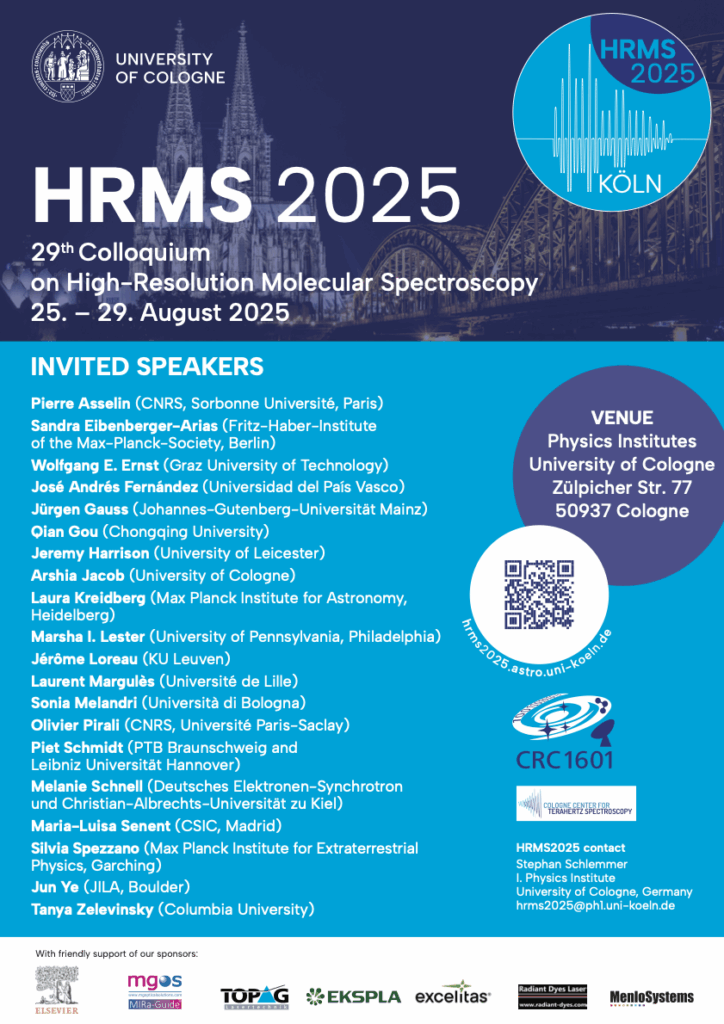
29th Colloquium on High-Resolution Molecular Spectroscopy, 25. – 29. August 2025
The 29th Colloquium on High-Resolution Molecular Spectroscopy (HRMS) was held at the Physics Institutes of the Universität zu Köln, organized locally by the “Laboratory Astrophysics Group” of the I. Physikalisches Institut, Universität zu Köln.
https://hrms2025.astro.uni-koeln.de
Scientific Program:
There were be 10 plenary lectures and 3 mini-symposia with 10 invited speakers. Parallel sessions will feature 72 contributed talks. There will be four poster sessions with more than 130 contributions. The scientific fields covered are:
- High resolution rotational, vibrational, and electronic spectroscopy of molecules (radicals, ions, complexes, clusters, …)
- Molecular dynamics
- Theory assisting the prediction, simulation, and interpretation of spectra
- New techniques for high-resolution spectroscopy
- Applications to atmospheric sciences, astrophysics, planetology, combustion, gas-phase biomolecules, metrology and fundamental physics, cold molecules, etc.
Meeting of the Astronomical Society 2024 in Cologne
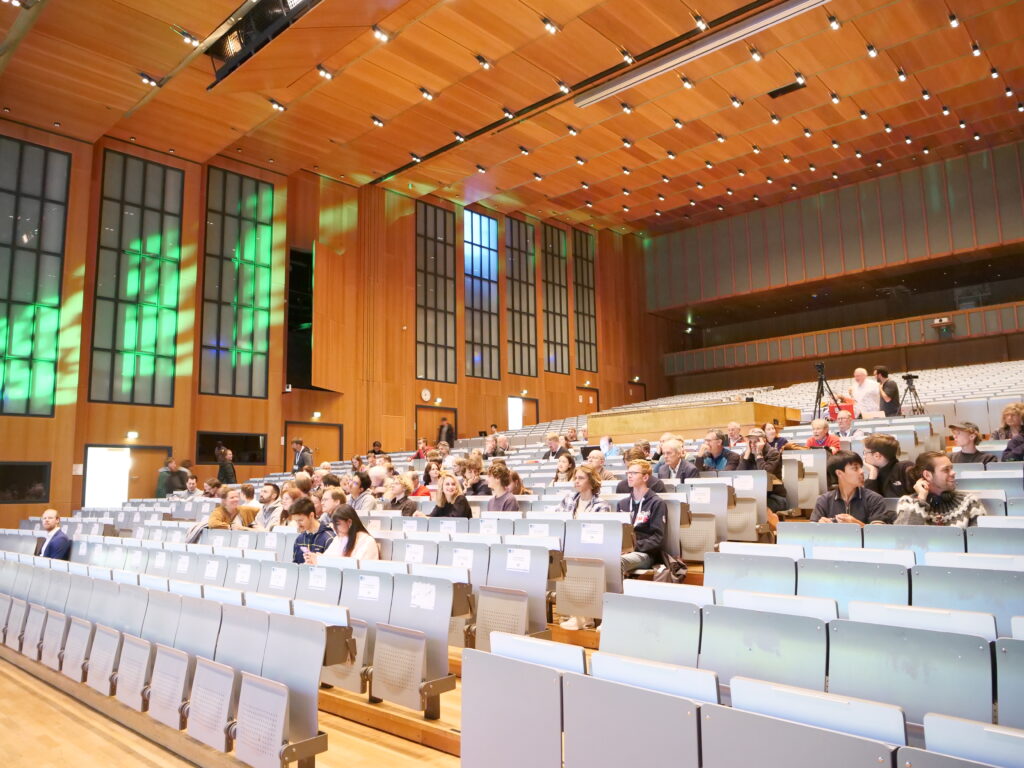
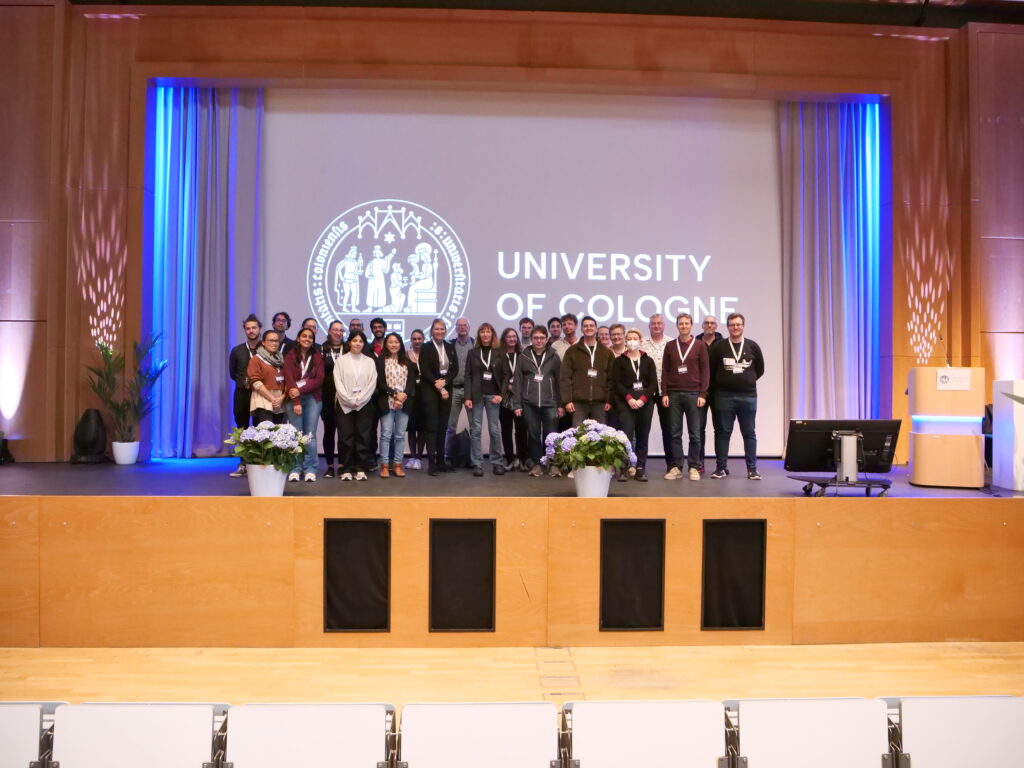
The International Annual Meeting of the German Astronomical Society was held at the University of Cologne during the week September 09-13, 2024.
The meeting included invited plenary talks, splinter sessions, and working group meetings of the Astronomical Society.
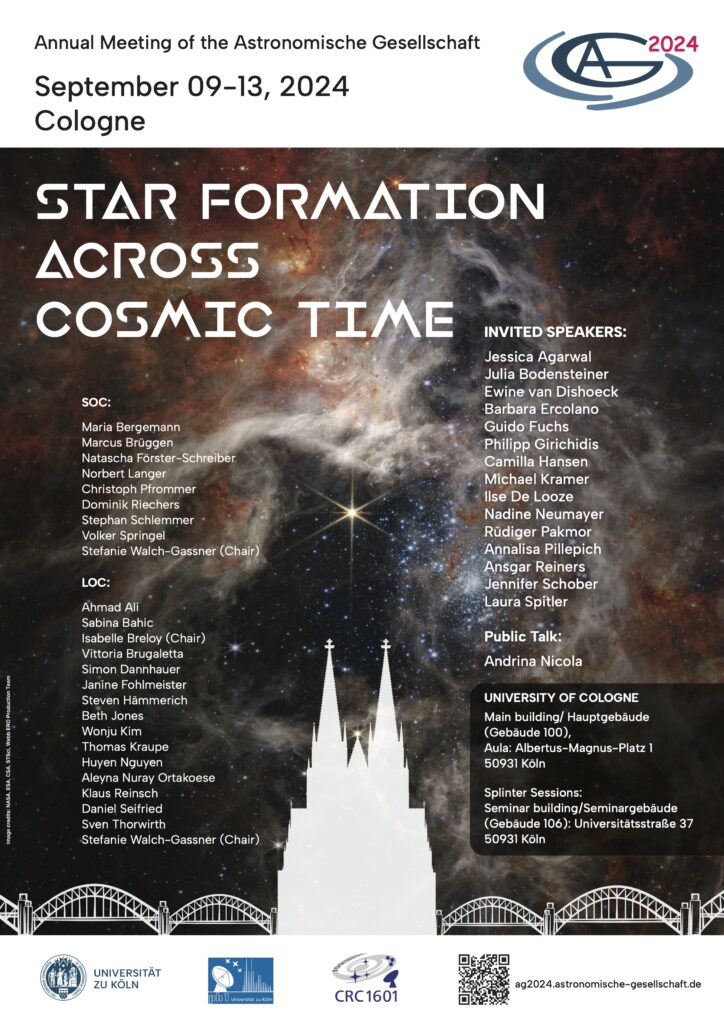
https://ag2024.astronomische-gesellschaft.de
Video recordings of the plenary talks are available for registered participants. Please, follow the links in the rightmost column under “Abstracts”.
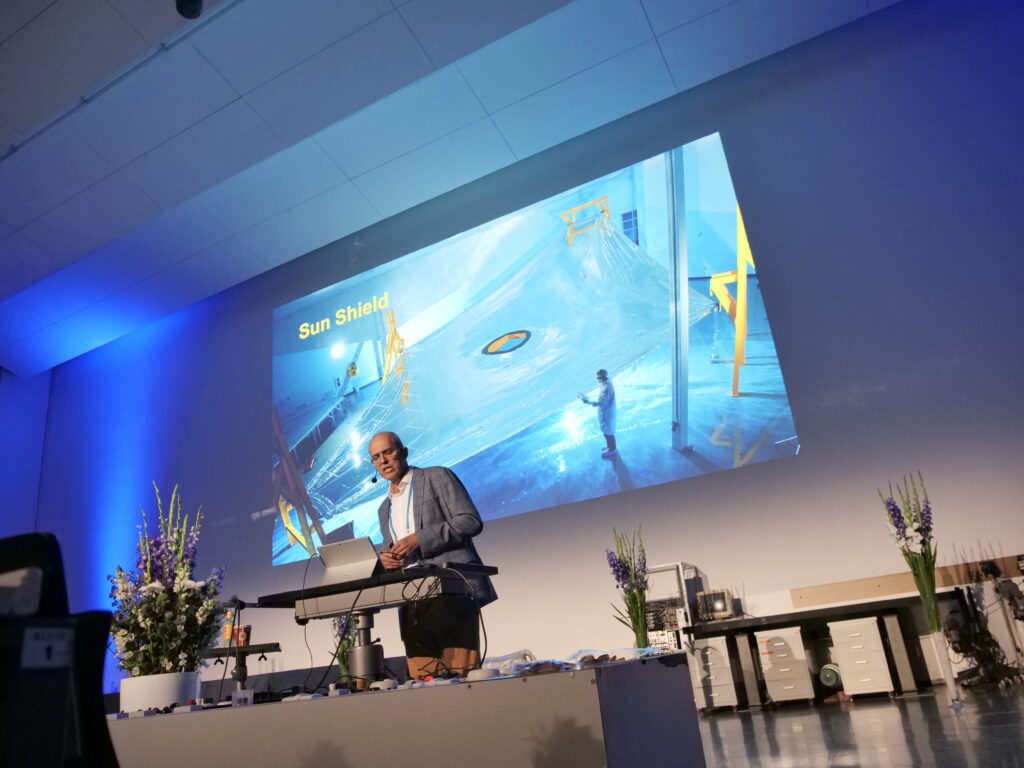
Video recording of the public talk given by Andrina Nicola.
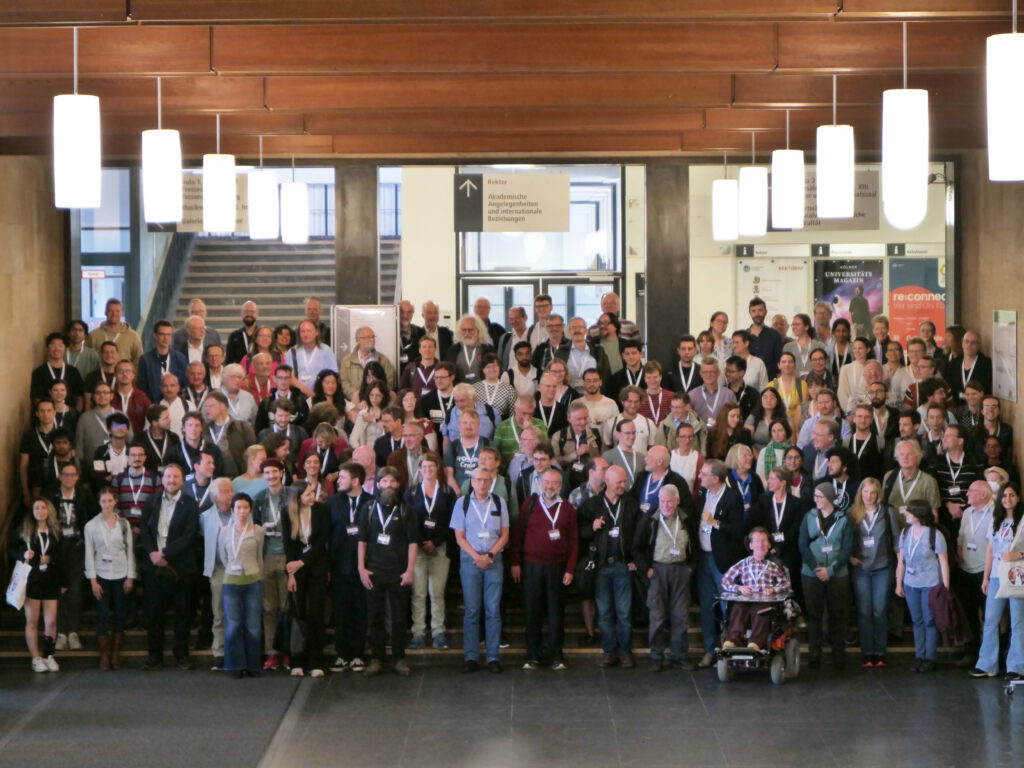
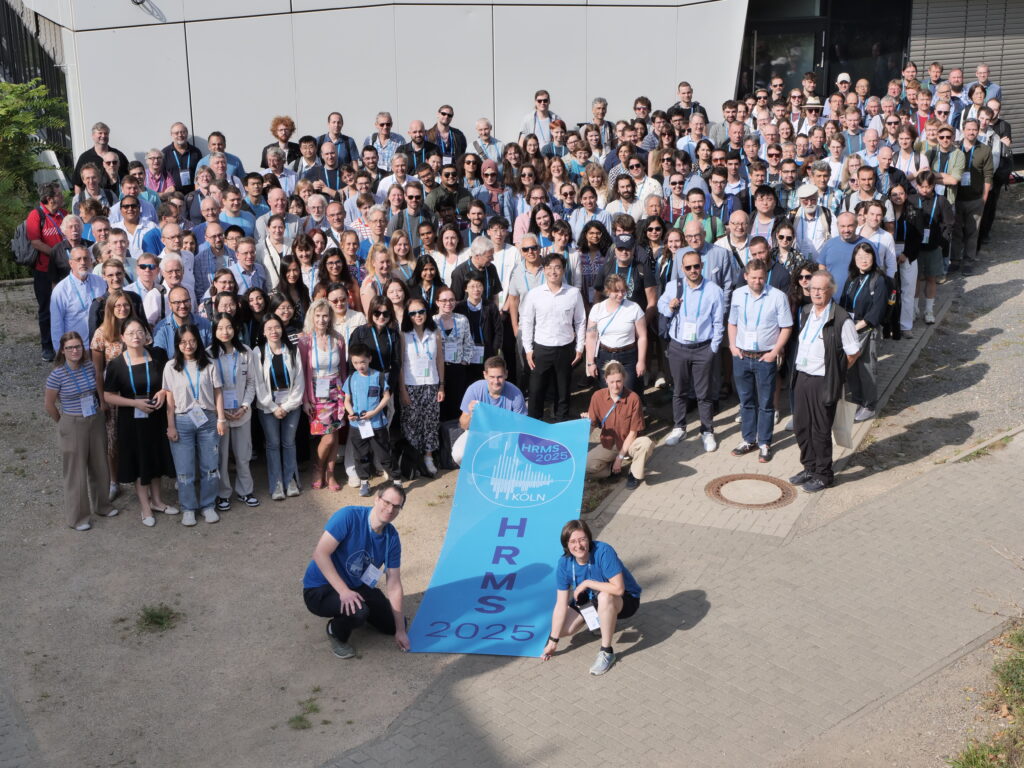
Conference photo (2024-09-12)