
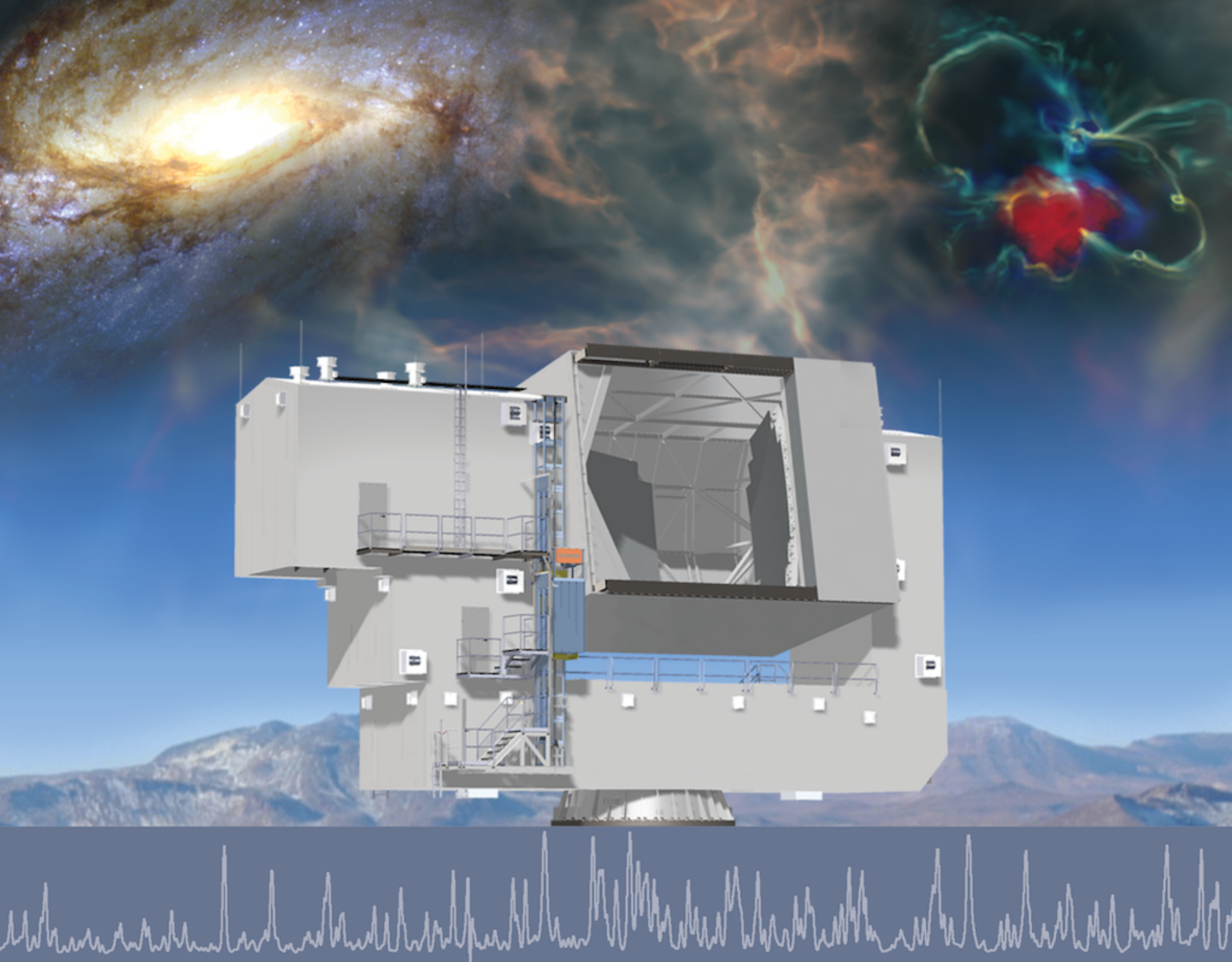
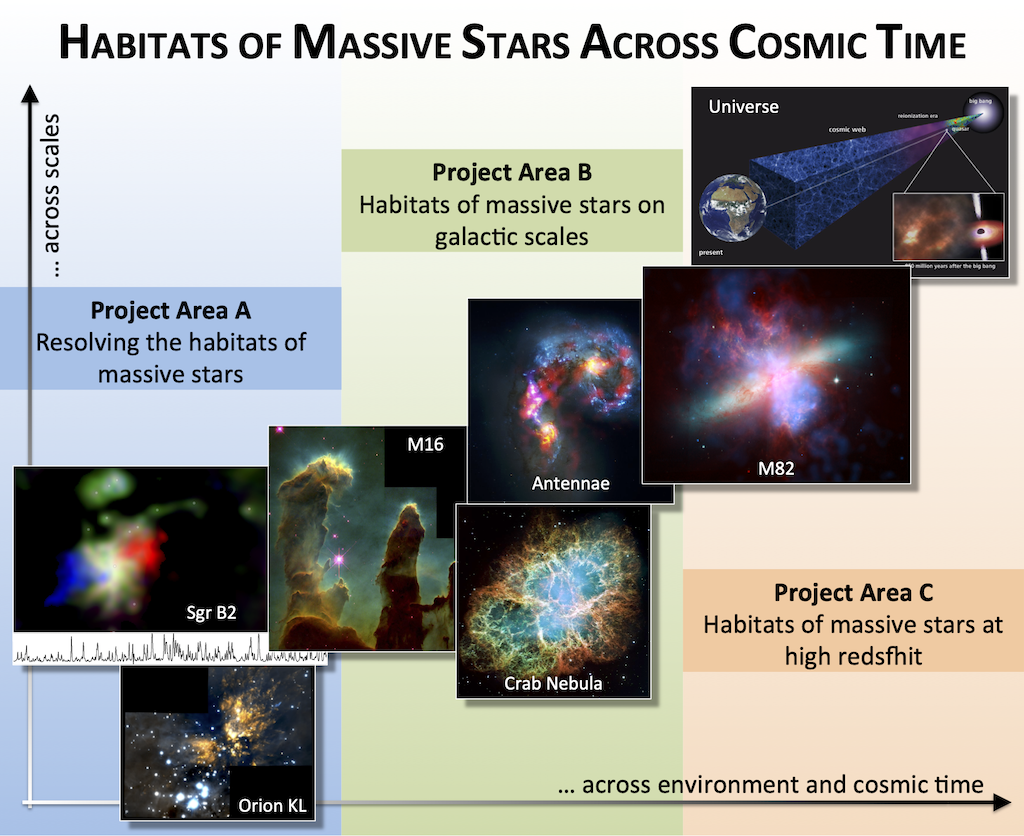
Massive stars, due to their short lifetime and high energy output, drive the evolution of galaxies across cosmic time. Hence, they substantially contribute to shaping the present-day Universe. The Collaborative Research Centre (CRC) will unravel the “habitats of massive stars across cosmic time”. “Habitats” are the gaseous environments within which massive stars are born and which they interact with via their feedback. Over the anticipated 12-year lifetime of this new CRC initiative, we aim to connect the physical processes that govern the habitats of massive stars across the full range of environments hosting massive stars – from sub-parsec to mega-parsec scales and from the Milky Way to the high-redshift Universe, where massive stars leave their cosmological fingerprint by driving cosmic reionisation.
Key Profile Area
“Dynamics of the Universe”
Our universe is full of fascinating, mysterious and often surprising phenomena. Understanding and explaining this in physical terms is the task of the new key profile area Dynamics of the Universe.
The Dynamics of the Universe key profile area establishes an excellent environment for training, early contact with current research, and exchange in international co-operations and competitions. In addition, the interdisciplinary collaboration between the fields of physics, computer science and applied mathematics will be strengthened in the long term. This is particularly important given the need to meet unprecedented challenges arising from the large amounts of observational data being generated by way of innovative ideas and algorithms, and to enable and efficiently advance complex simulations using new hardware technologies.
SFB 1601 News
Public Outreach
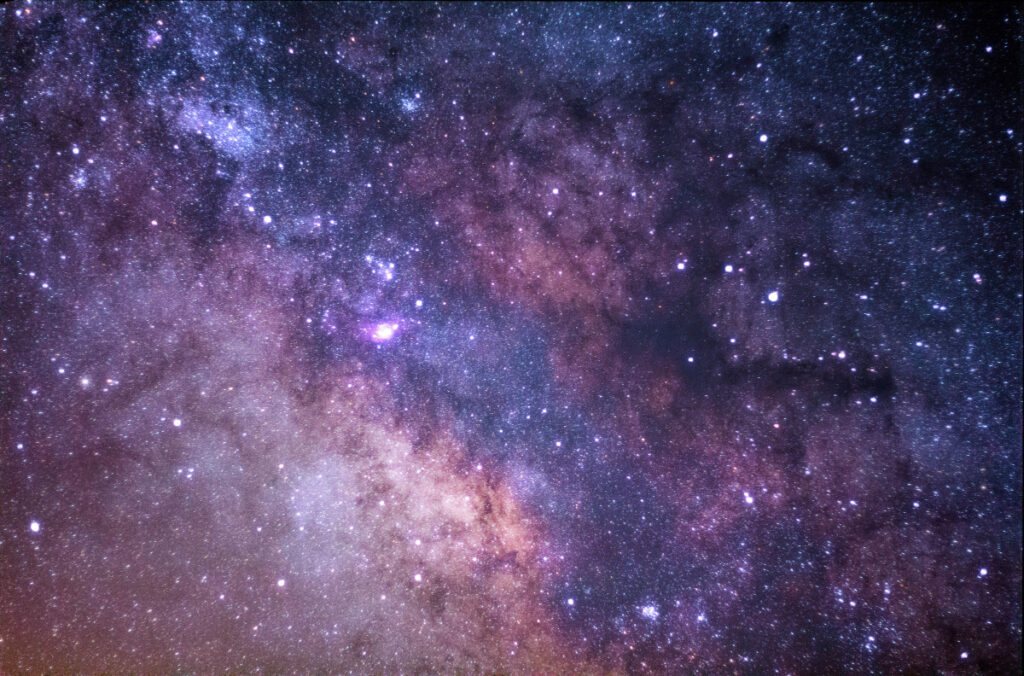
Symposium 2026
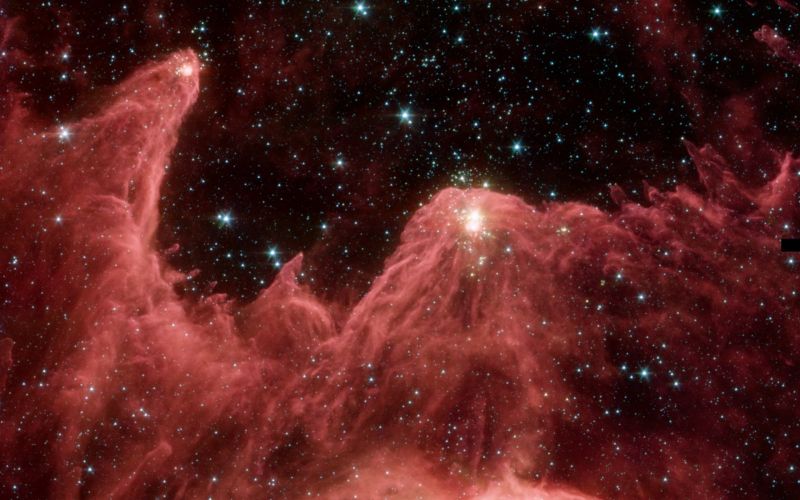
HRMS 2025

Colloquium
Child Care
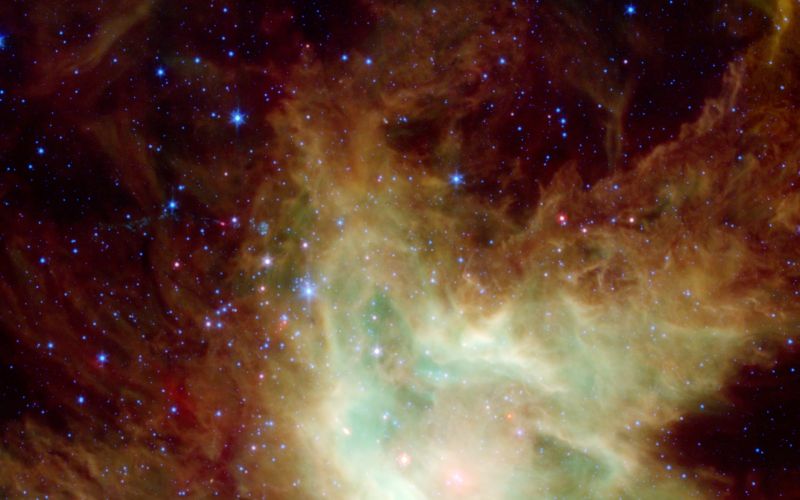
Publications
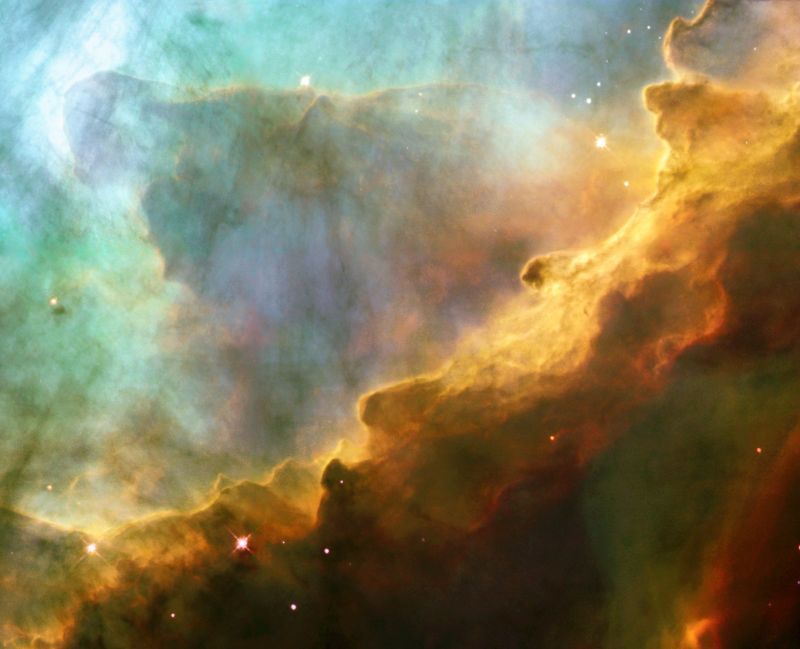
Videos & Articles
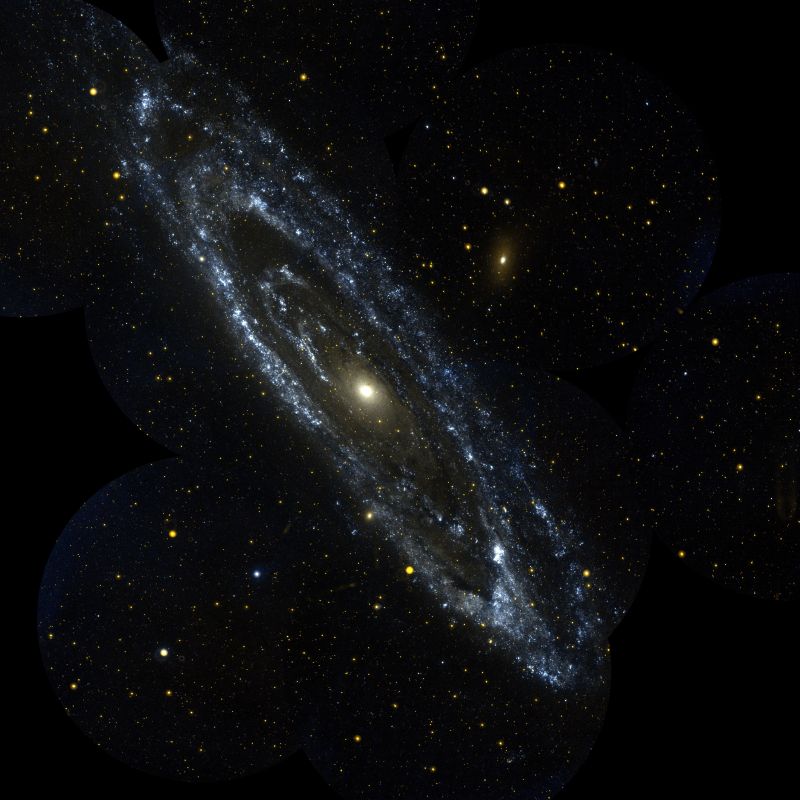
SFB 1601 Projects
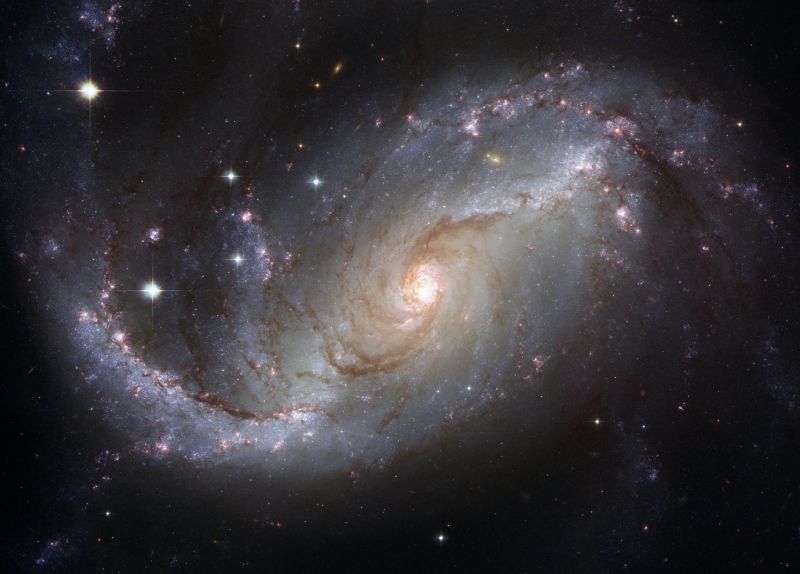
PhD Students
Family & Diversity
Sustainability
Science Highlight
-
B7/B8/C4: Exploring the fundamental molecular ion HeH+ (Oskar Asvany, Urs Graf, Weslley Silva)
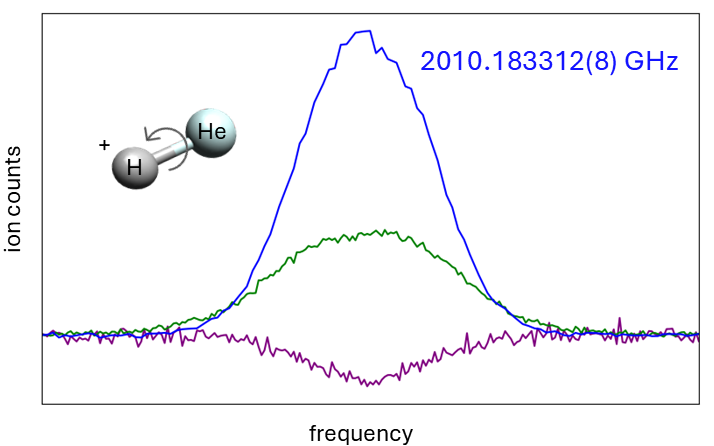
HeH+ is a very simple molecule, consisting only of an alpha-particle (the He nucleus), a proton (the H nucleus), and two electrons. In addition, it is thought to be the very first diatomic molecule formed when the early universe cooled down, and it has even been detected in our galaxy.
Therefore, we investigated the fundamental rotational transition of HHe+, which is at a high frequency of 2.010 THz. This is quite a challenge, as such an investigation requires a high-resolution source at 2 THz, and is best done in a low temperature ion trapping machine. Using different spectroscopic techniques, we determined the transition frequency value to 2010.183312(8) GHz, which is 10 times more accurate than a former measurement. This successful investigation was made possible by a collaboration of many scientists from SFB1601, including astronomers, instrumentation specialists and laboratory spectroscopists.
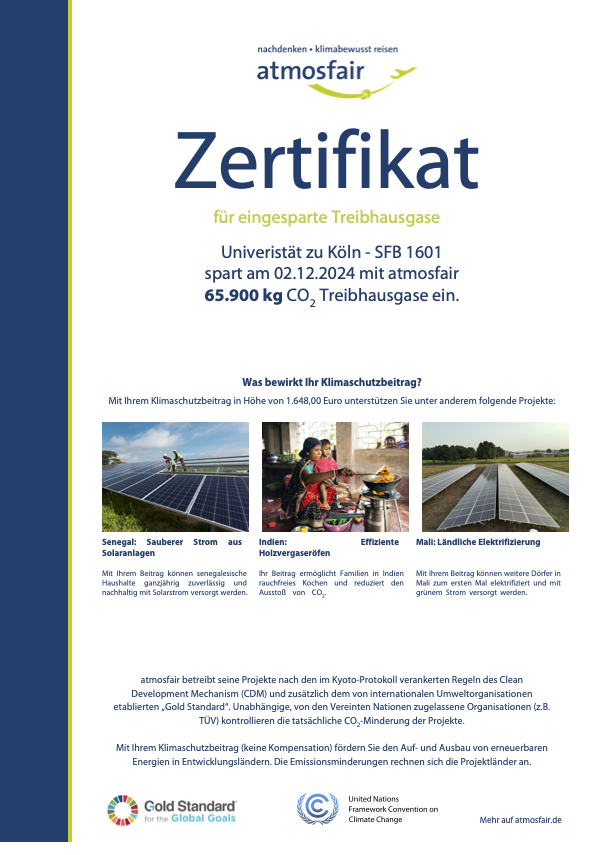
We value our Planet:

1st funding period: 10/2023 – 06/2027