
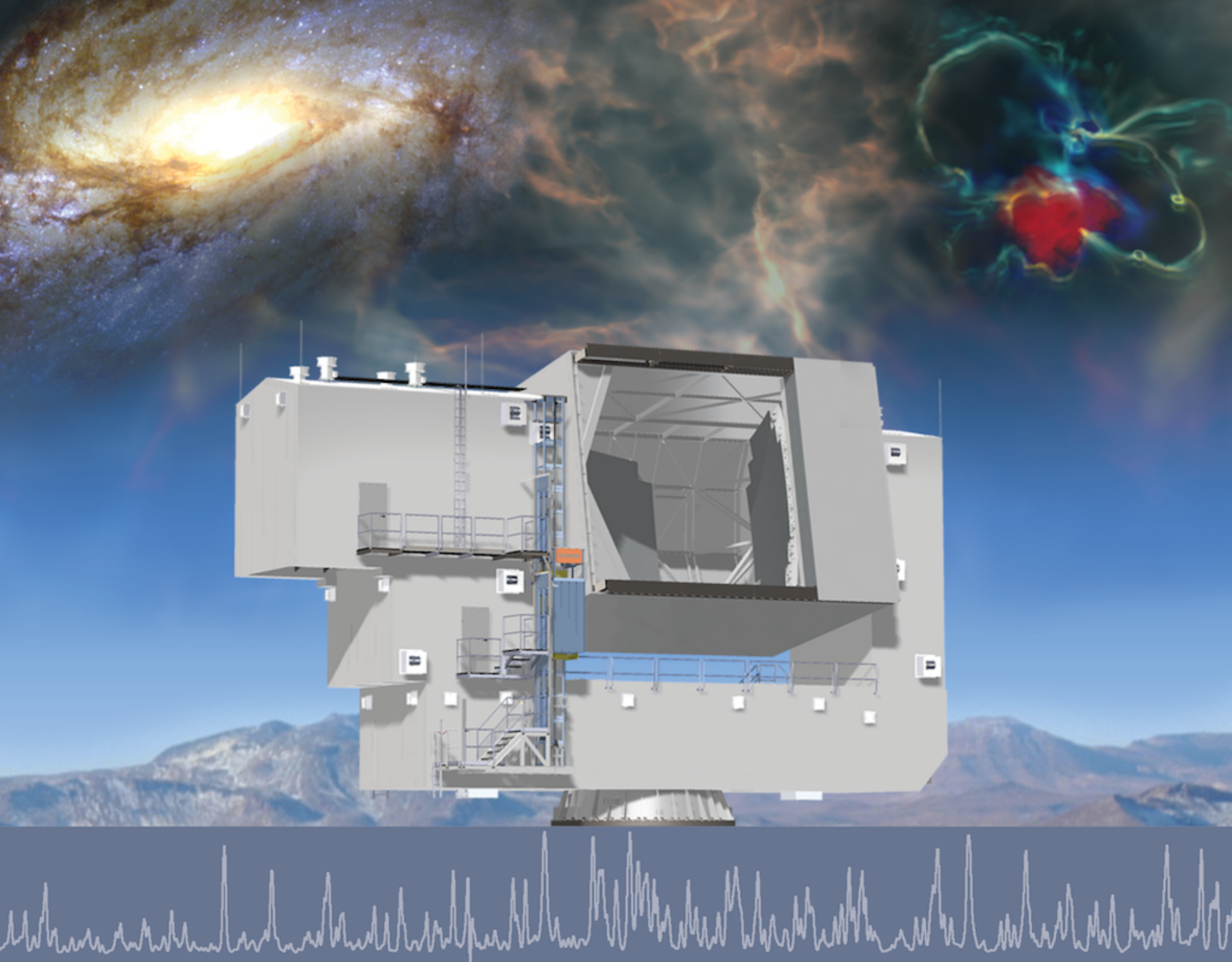
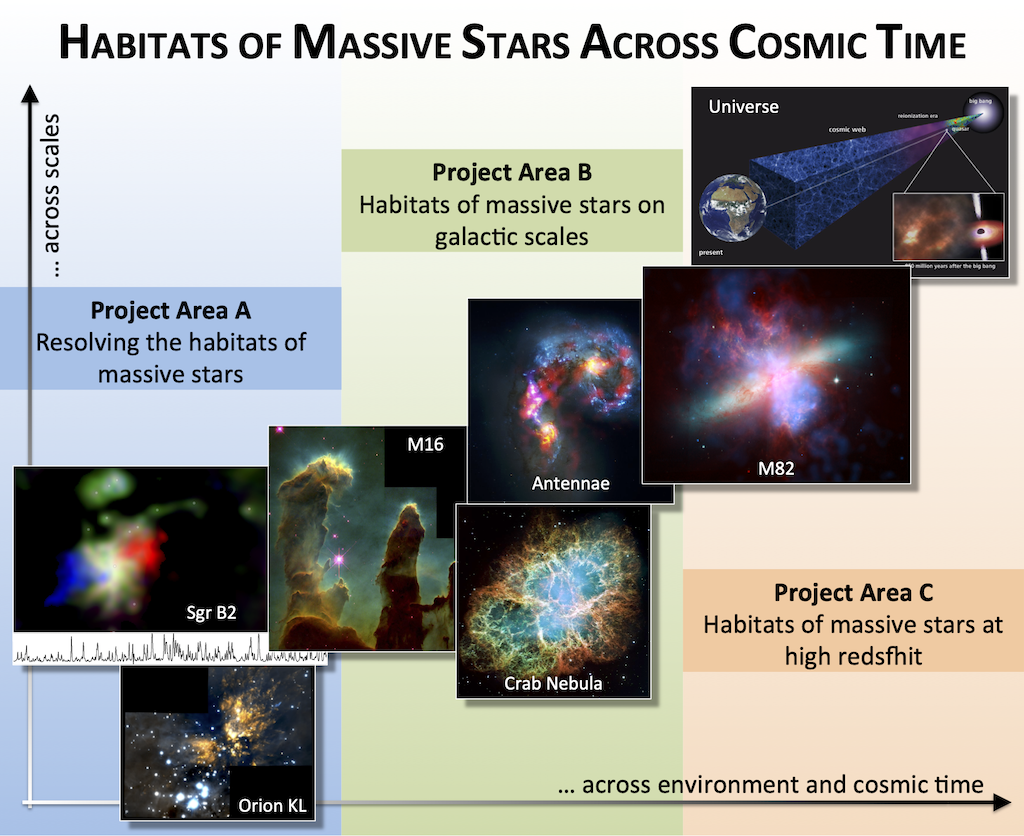
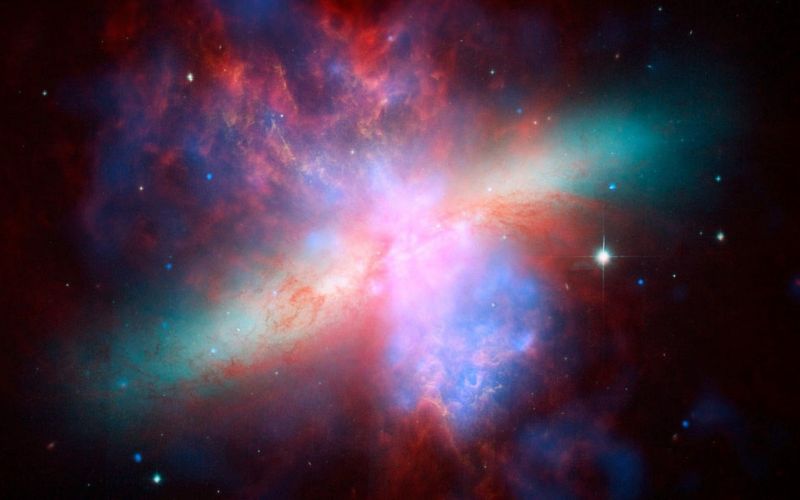
Massive stars, due to their short lifetime and high energy output, drive the evolution of galaxies across cosmic time. Hence, they substantially contribute to shaping the present-day Universe. The Collaborative Research Centre (CRC) will unravel the “habitats of massive stars across cosmic time”. “Habitats” are the gaseous environments within which massive stars are born and which they interact with via their feedback. Over the anticipated 12-year lifetime of this new CRC initiative, we aim to connect the physical processes that govern the habitats of massive stars across the full range of environments hosting massive stars – from sub-parsec to mega-parsec scales and from the Milky Way to the high-redshift Universe, where massive stars leave their cosmological fingerprint by driving cosmic reionisation.
Key Profile Area
“Dynamics of the Universe”
Our universe is full of fascinating, mysterious and often surprising phenomena. Understanding and explaining this in physical terms is the task of the new key profile area Dynamics of the Universe.
The Dynamics of the Universe key profile area establishes an excellent environment for training, early contact with current research, and exchange in international co-operations and competitions. In addition, the interdisciplinary collaboration between the fields of physics, computer science and applied mathematics will be strengthened in the long term. This is particularly important given the need to meet unprecedented challenges arising from the large amounts of observational data being generated by way of innovative ideas and algorithms, and to enable and efficiently advance complex simulations using new hardware technologies.
SFB 1601 News
Public Outreach
Symposium 2026
HRMS 2025

Colloquium
Child Care
Publications
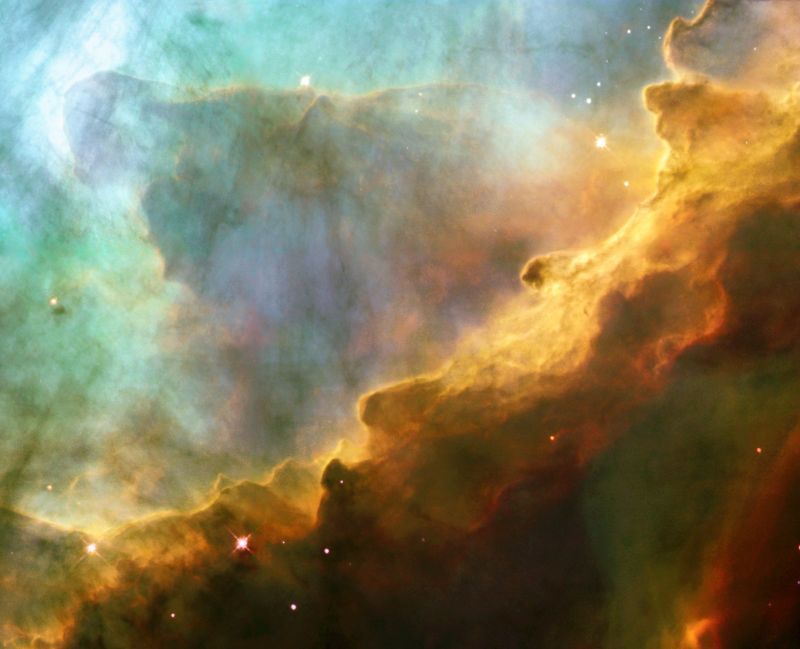
Videos & Articles
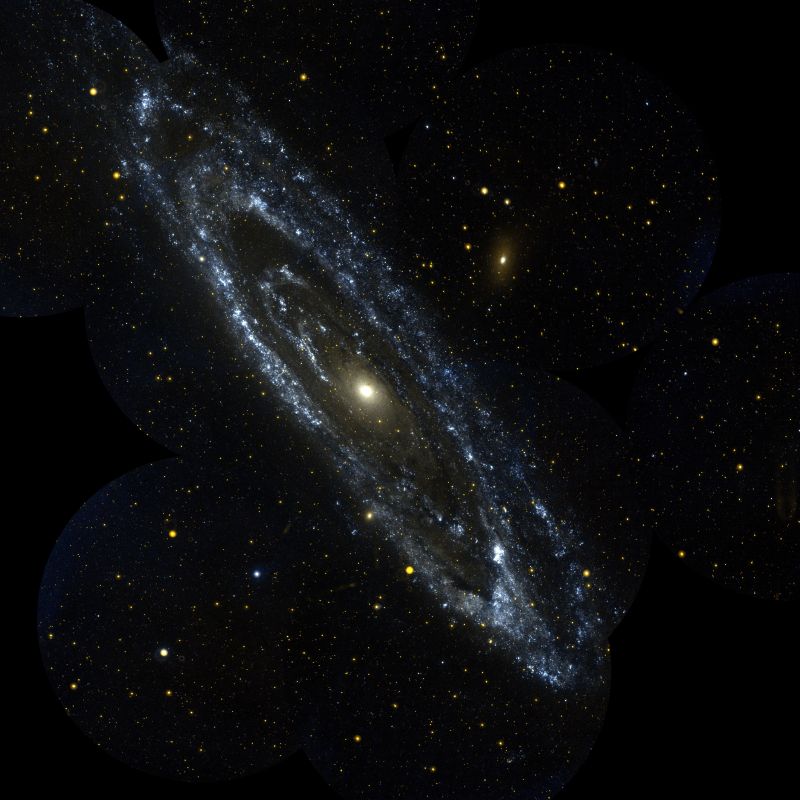
SFB 1601 Projects
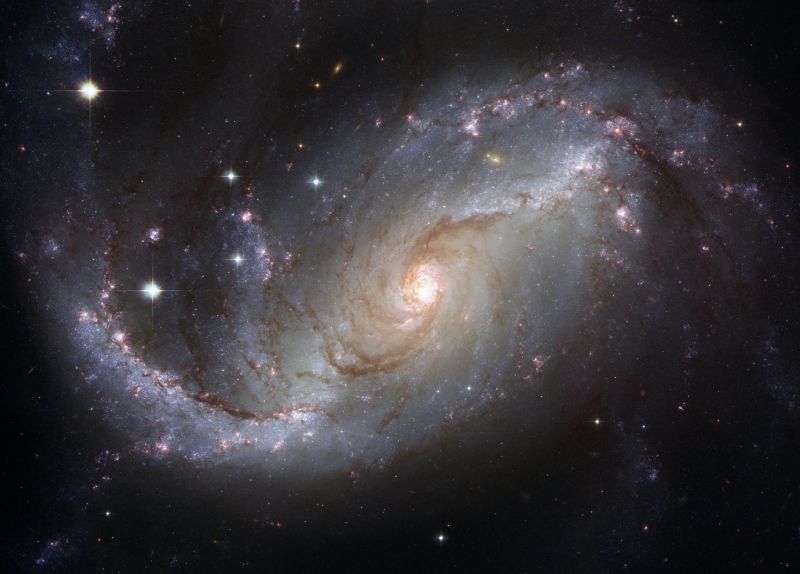
PhD Students
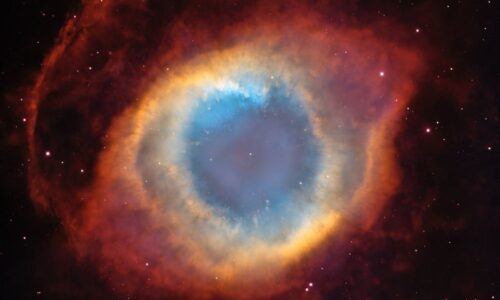
Family & Diversity
Sustainability
Science Highlight
-
B2: First-Detected Young Carbon-Filled Bubble in RCW79 Hides Its Carbon Emission (Eduard Keilmann, Simon Dannhauer, Nicola Schneider, Robert Simon)
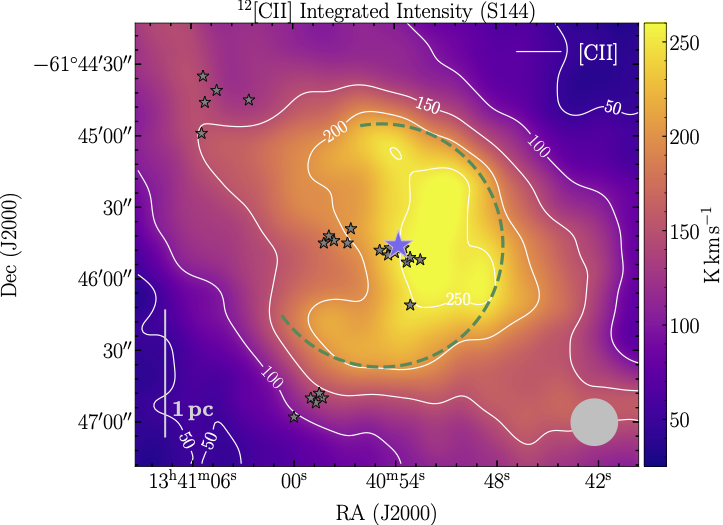
In our recent A&A Letter, we studied ionized carbon emission (C⁺, [C II]) at 158 μm in S144, a C⁺ bubble on the southeastern edge of the ring-shaped star-forming region RCW79. S144 hosts a compact H II region ionized by a single O7.5–9.5 V/III star. Using SOFIA/upGREAT maps with high angular and spectral resolution, we identified the first bubble that remains mostly filled with C⁺ gas – an indicator of an exceptionally early evolutionary stage. All previously characterized C⁺ bubbles exhibit shell-like rings with central cavities carved by stellar winds, marking more advanced phases.
We also uncovered an apparent shortfall in C⁺ emission relative to S144’s far-infrared luminosity: the so-called “C⁺-deficit,” long attributed to increased dust heating, cooling via other fine-structure lines, or intense radiation fields. Our analysis shows instead that cooler C⁺ gas in the bubble’s outer layers self-absorbs the emission from its warm interior, creating the illusion of a deficit.
By correcting for C⁺ self-absorption, we refine our view of how carbon governs gas cooling in star-forming regions and improve the interpretation of [C II] observations across both Galactic and extragalactic environments.
Paperlink: https://doi.org/10.1051/0004-6361/202453445
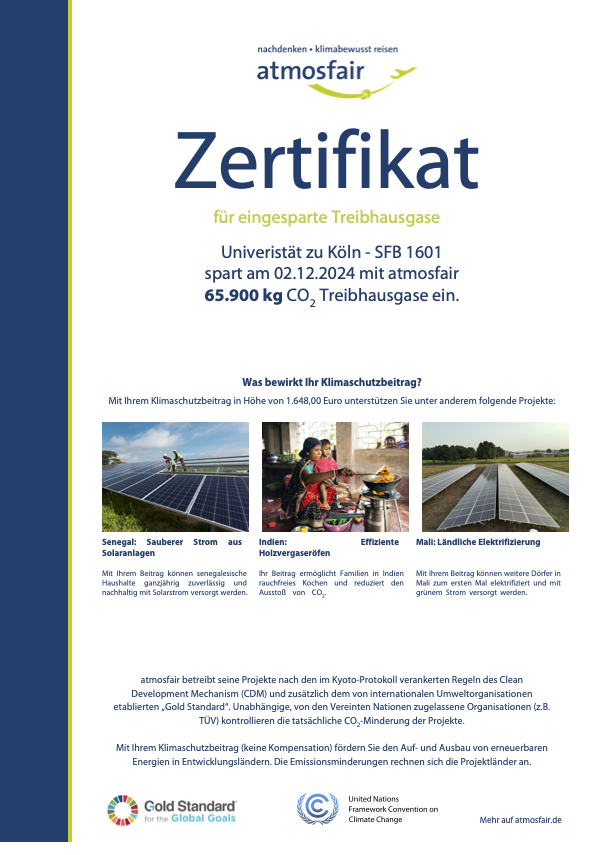
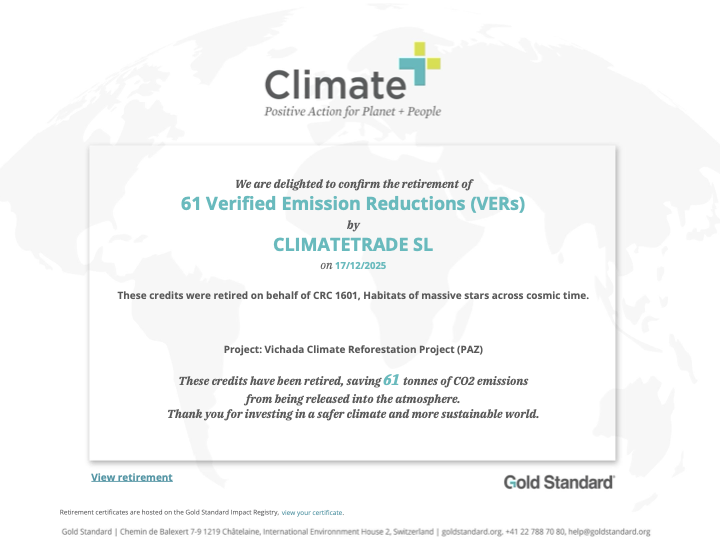
We value our Planet:
1st funding period: 10/2023 – 06/2027