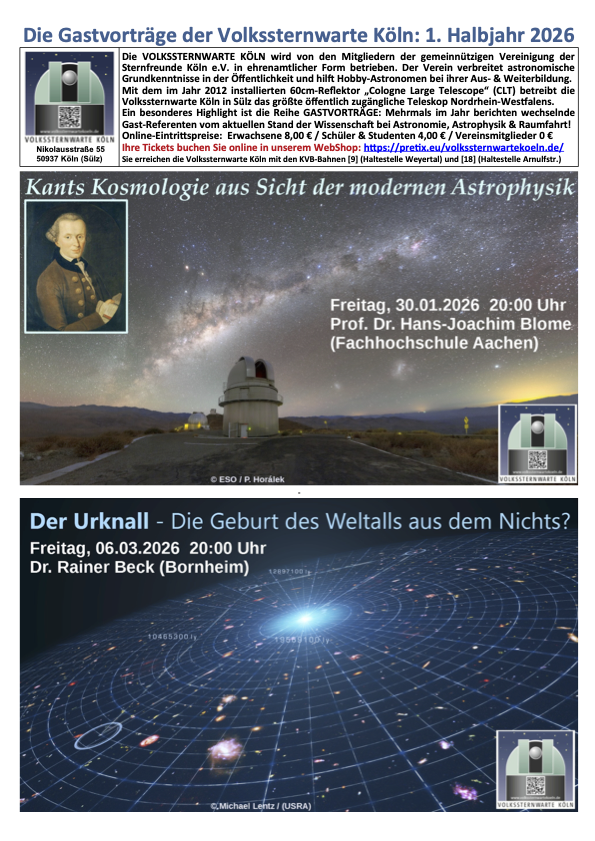
New Lectures at the Public Observatory Cologne (in German)
The Public Observatory Cologne is a private institution which is run by the members of the “Vereinigung der Sternfreunde Köln e.V.” on a voluntary basis. This association of interested amateurs and amateur astronomers was founded in 1922 with the aim of disseminating basic astronomical knowledge to the public and promoting the training and further education of active amateur astronomers within the scope of the available possibilities.With the 60cm refractor “Cologne Large Telescope” (CLT) installed in 2012, the Volkssternwarte Köln operates the largest freely accessible telescope in North Rhine-Westphalia
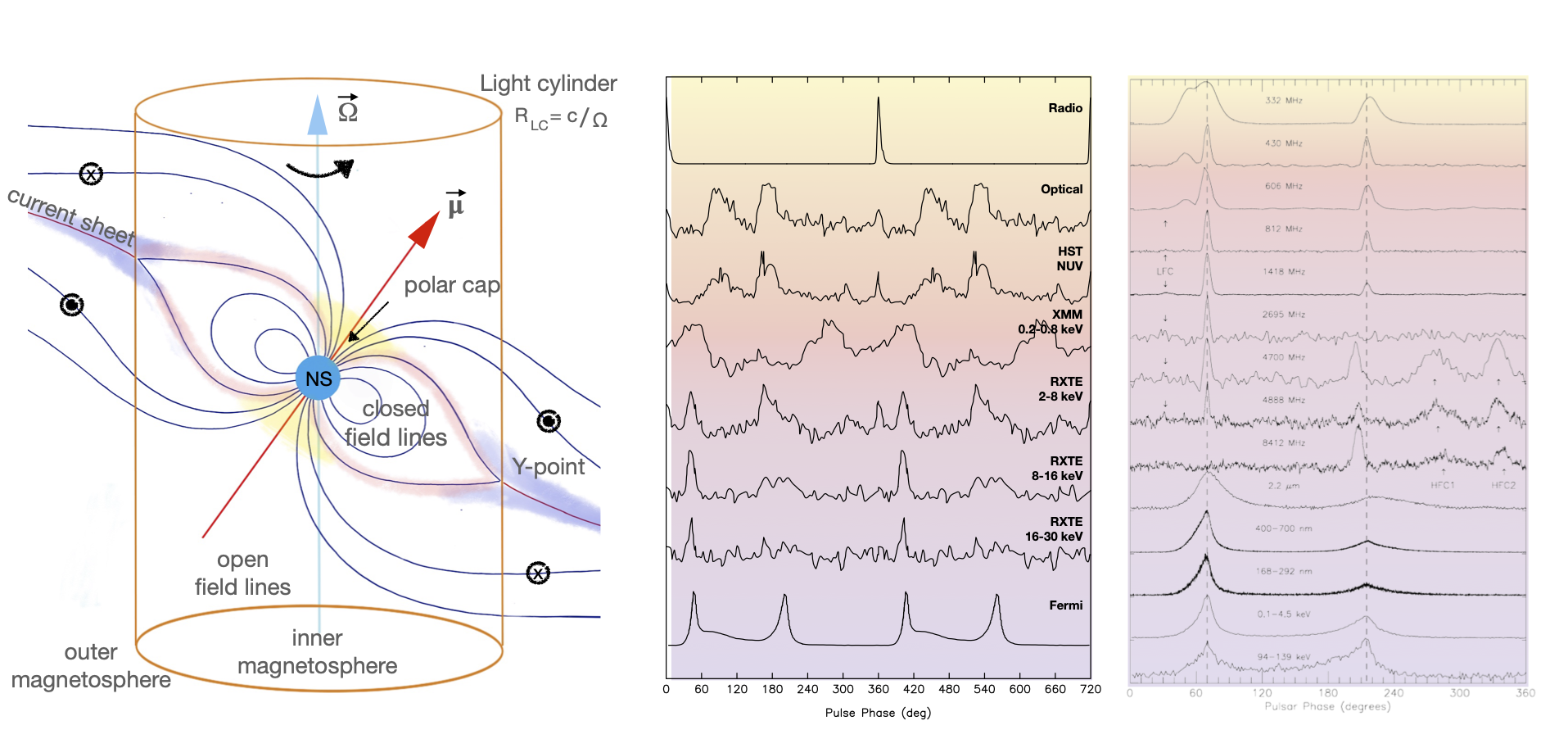
SFB 1601 colloquium: Michael Kramer “Geometry, geometry, geometry …” (02.12.25, MPIfR)
The SFB 1601 organises frequent scientific colloquia. Guests are Welcome!
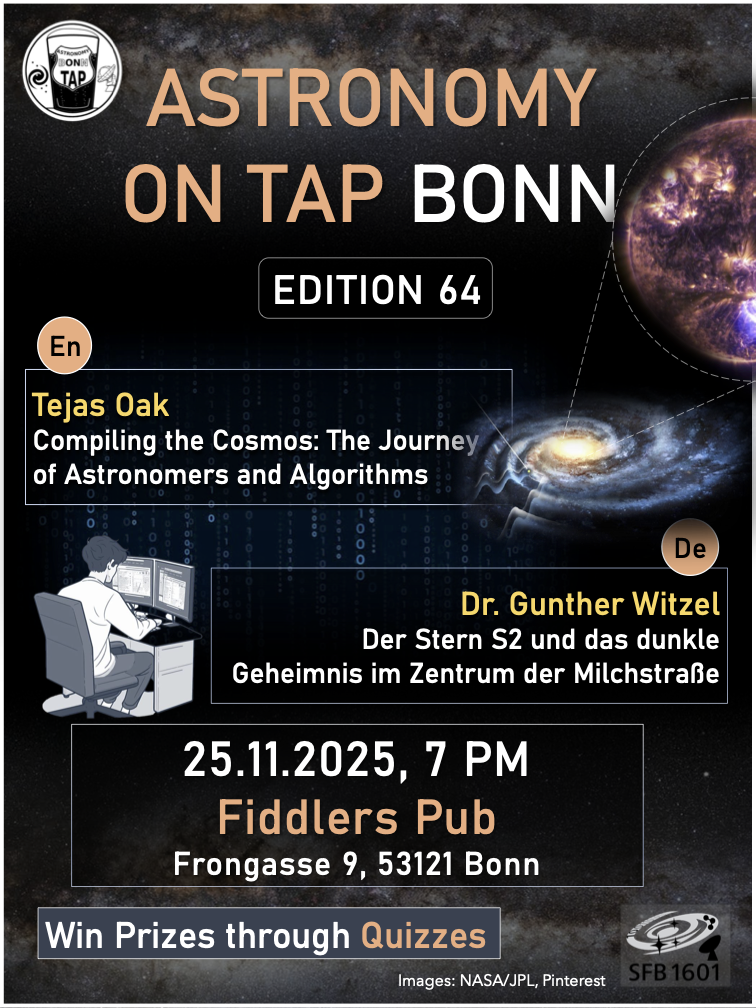
Join us for the second event of Season 8 of Astronomy on Tap Bonn on November 25, 2025
Please join us for the second event of Season 8 of Astronomy on Tap Bonn!
It will take place at The Fiddlers Pub (Frongasse 9, Endenich) on Tuesday, 25 at
19:00 featuring talks on
“Der Stern S2 und das dunkle Geheimnis im Zentrum der Milchstraße” by Dr.
Gunther Witzel (DE)
“Compiling the Cosmos: The Journey of Astronomers and Algorithms” by Tejas Oak
(EN)
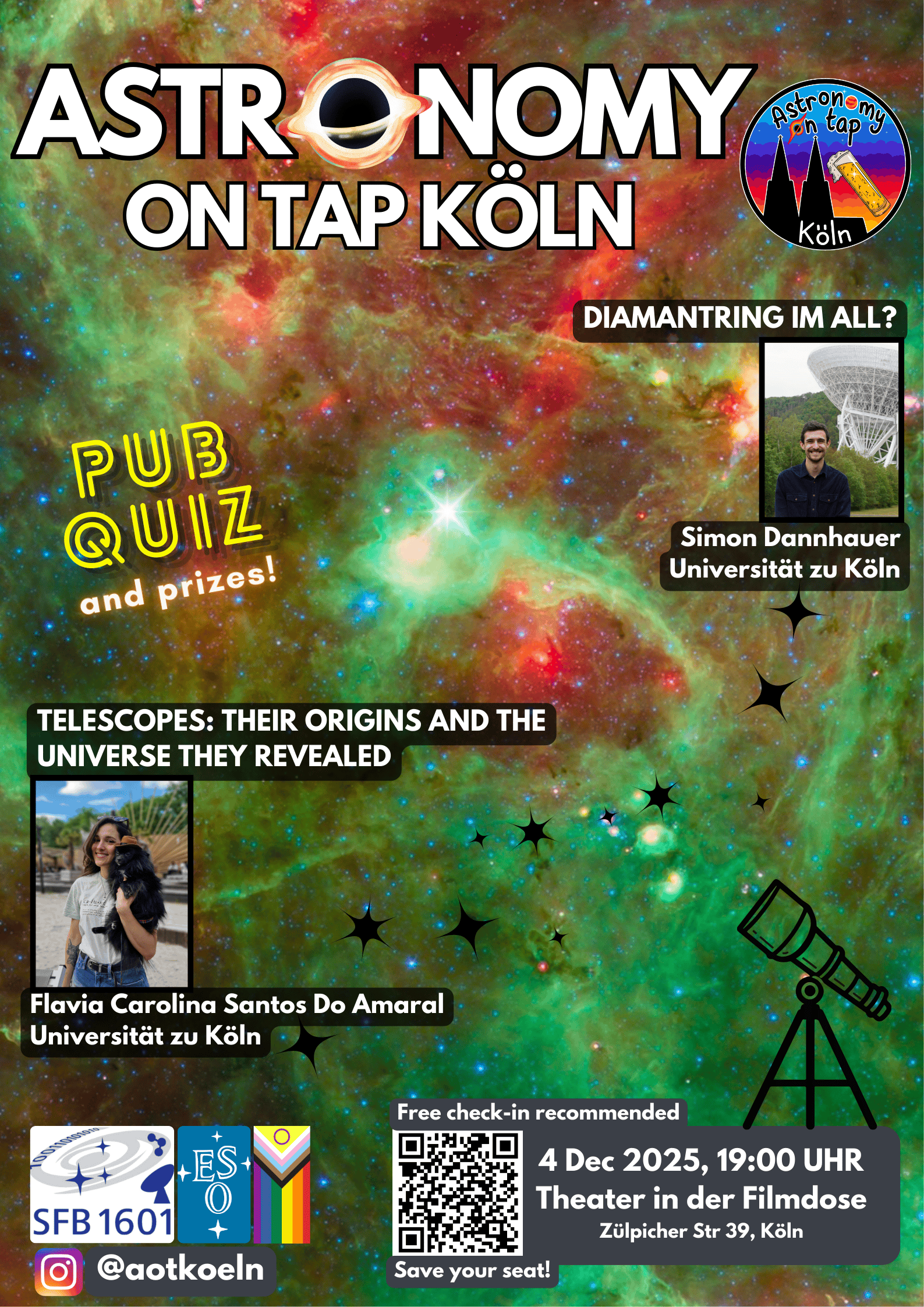
Join us for Astronomy on Tap Köln on December 4, 2025
Every month, Astronomy on Tap Köln brings you fun and enlightening talks in German and English! Join us to find what Astrophysicists are up to in solving the puzzles of the cosmos.
Make sure to show off your smarts in the exciting Pub Quiz. Winners get astronomy goodies from the European Southern Observatory, SOFIA and other cool telescopes, to take home!
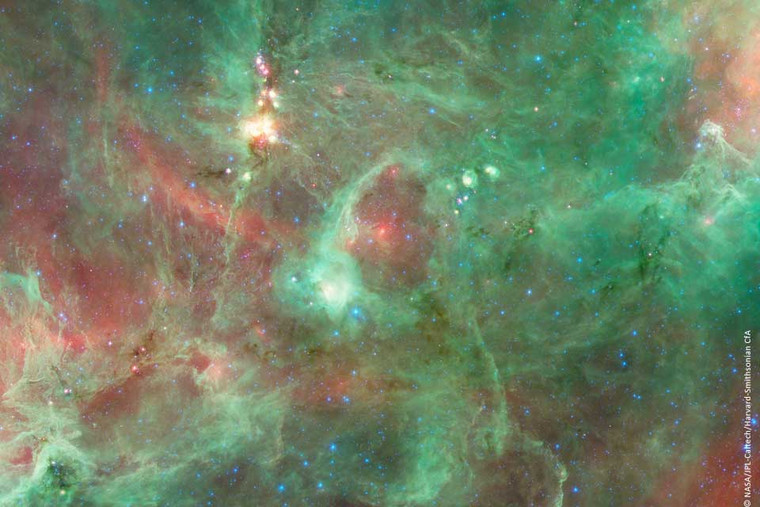
A sparkling ‘Diamond Ring’ in space: Astronomers in Cologne unravel the mystery of a cosmic ring
An international team led by researchers from the University of Cologne has solved the mystery of an extraordinary phenomenon known as the ‘Diamond Ring’ in the star-forming region Cygnus X, a huge, ring-shaped structure made of gas and dust that resembles a glowing diamond ring. In similar structures, the formations are not flat but spherical in shape. How this special shape came about was previously unknown. The results have been published under the title ‘The Diamond Ring in Cygnus X: an advanced stage of an expanding bubble of ionized carbon’ in the journal Astronomy & Astrophysics.
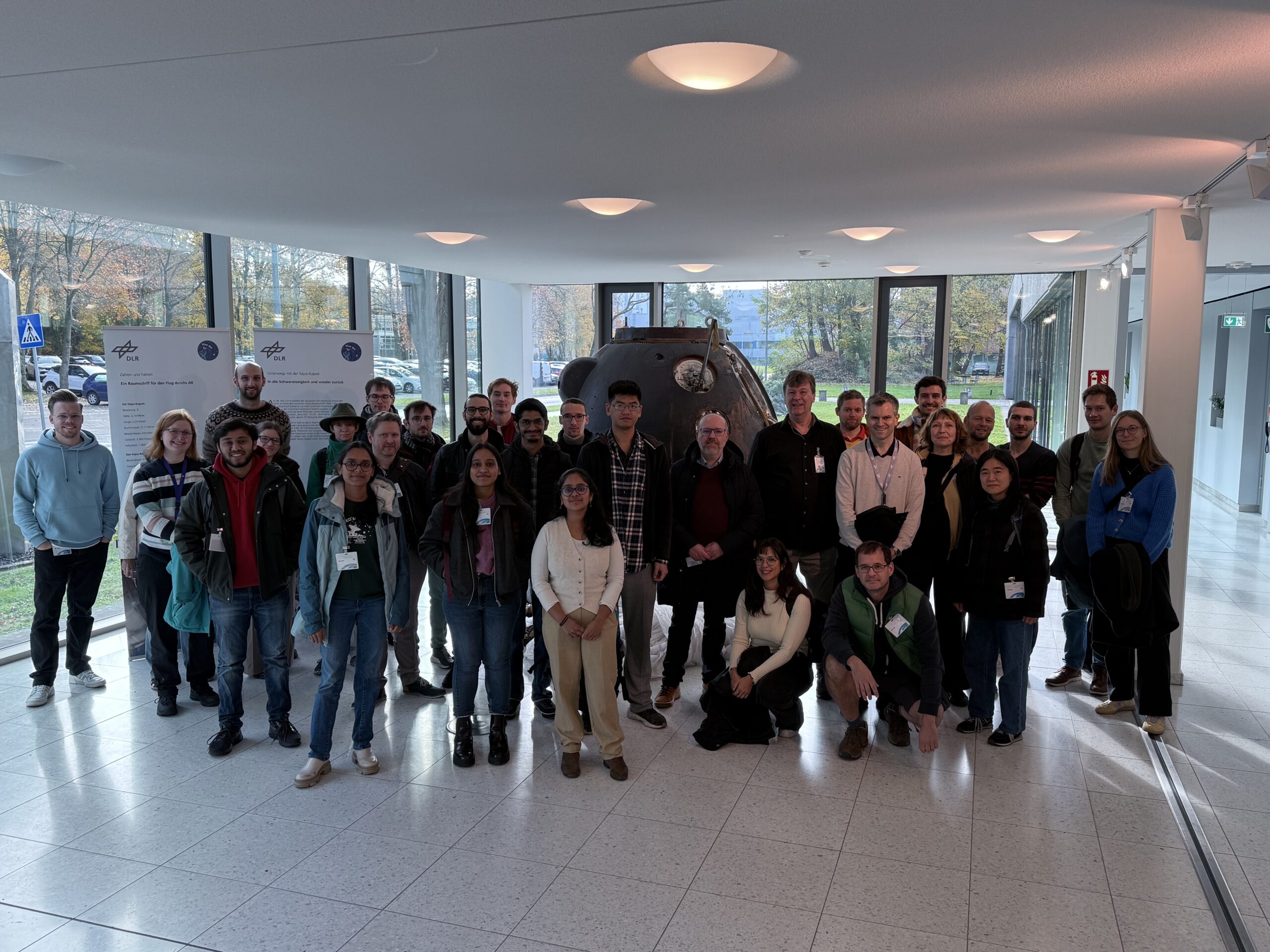
The SFB1601 visits the DLR (6.11.2025)
SFB1601 members visited the DLR Cologne, kindly invited by Alexander Rüttgers and Achim Basermann.
After learning about the history of Astronautics we started our visit in the European Astronaut Center (EAC) with highly interesting information about ESA astronaut training, how to survive in space and how the ISS was built while watching live pictures from space. Actual experiments on the effects of space and the lack of gravity on the human body as well as radiation were the main topics in the Institute of Aerospace Medicine
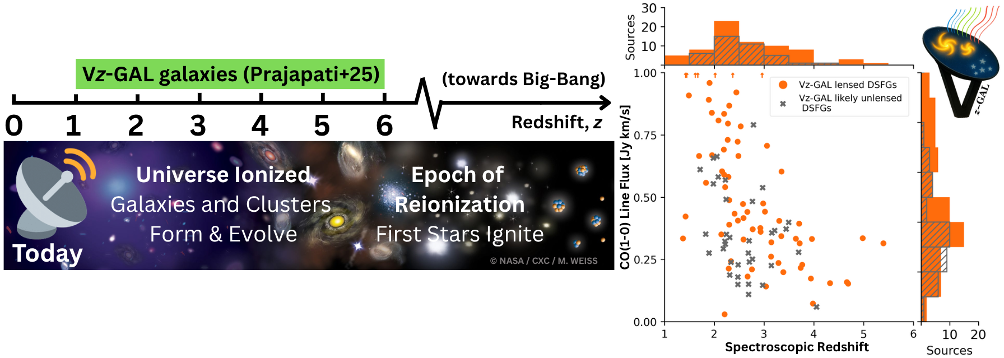
C2: Vz−GAL: Probing Cold Molecular Gas in Dusty Star-forming Galaxies at z = 1 − 6 (Prachi Prajapati, Dominik Riechers, Axel Weiss, Beth Jones)
Infrared- or submillimeter-bright dusty star-forming galaxies (DSFGs) are key contributors to the cosmic star formation rate density in the early universe, preserving the imprint of its star formation history [1-2]. We are at the forefront of observations, having secured spectroscopic redshifts for about 400 DSFGs up to redshift z ~ 7. Among these, the NOEMA z-GAL is the largest sample of 135 meaningfully selected high-z DSFGs (S500µm > 80 mJy) from the Herschel fields, whose spectroscopic redshifts are robustly measured mainly using higher-J CO lines [3].
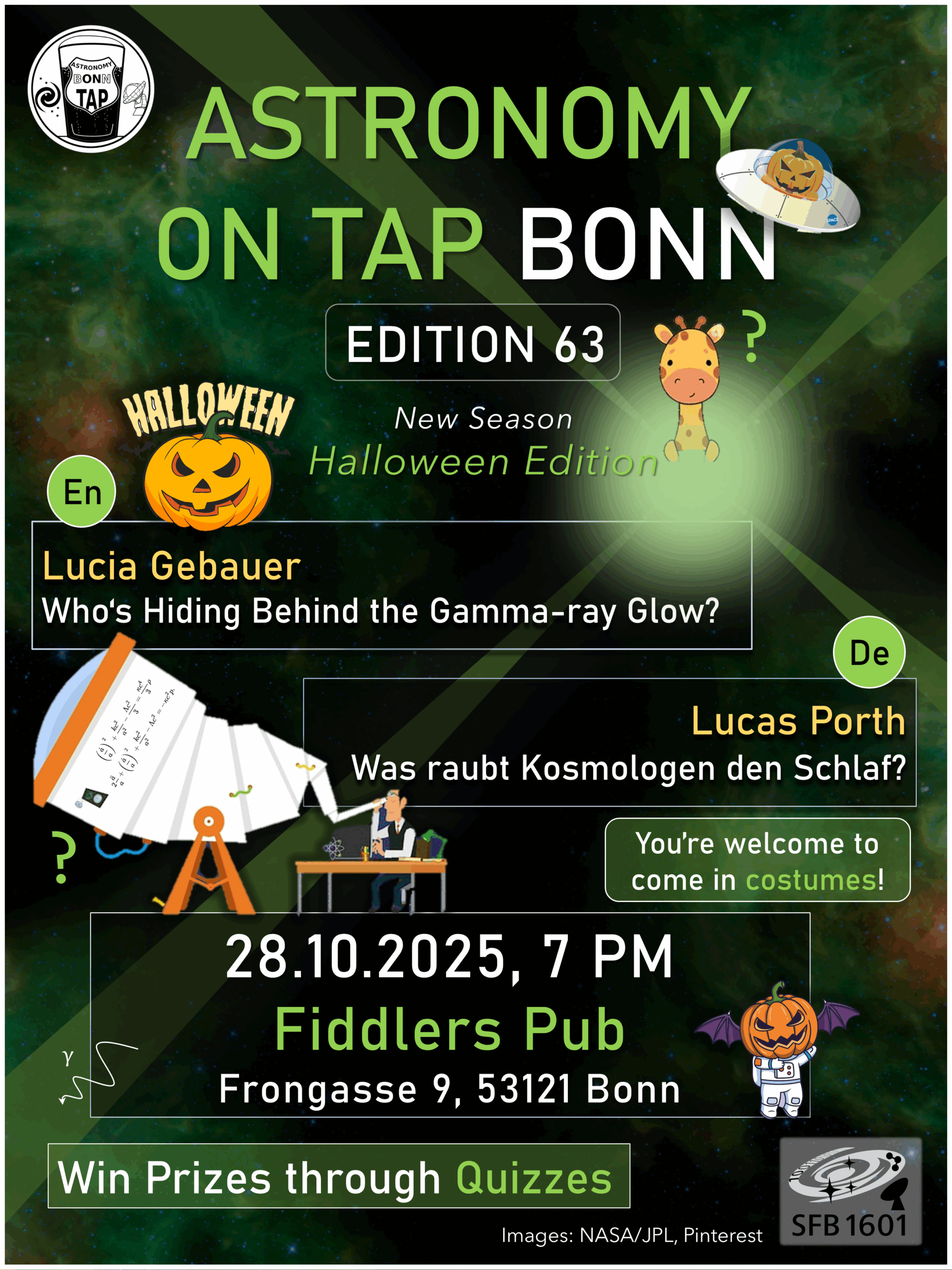
Join us for Astronomy on Tap Bonn’s Halloween edition on October 28
Join us for Astronomy on Tap Bonn’s Halloween edition!
You can attend exciting astronomy talks in English and German at Fiddlers Pub (Frongasse 9, Endenich) on Tuesday 28 at 19:00.
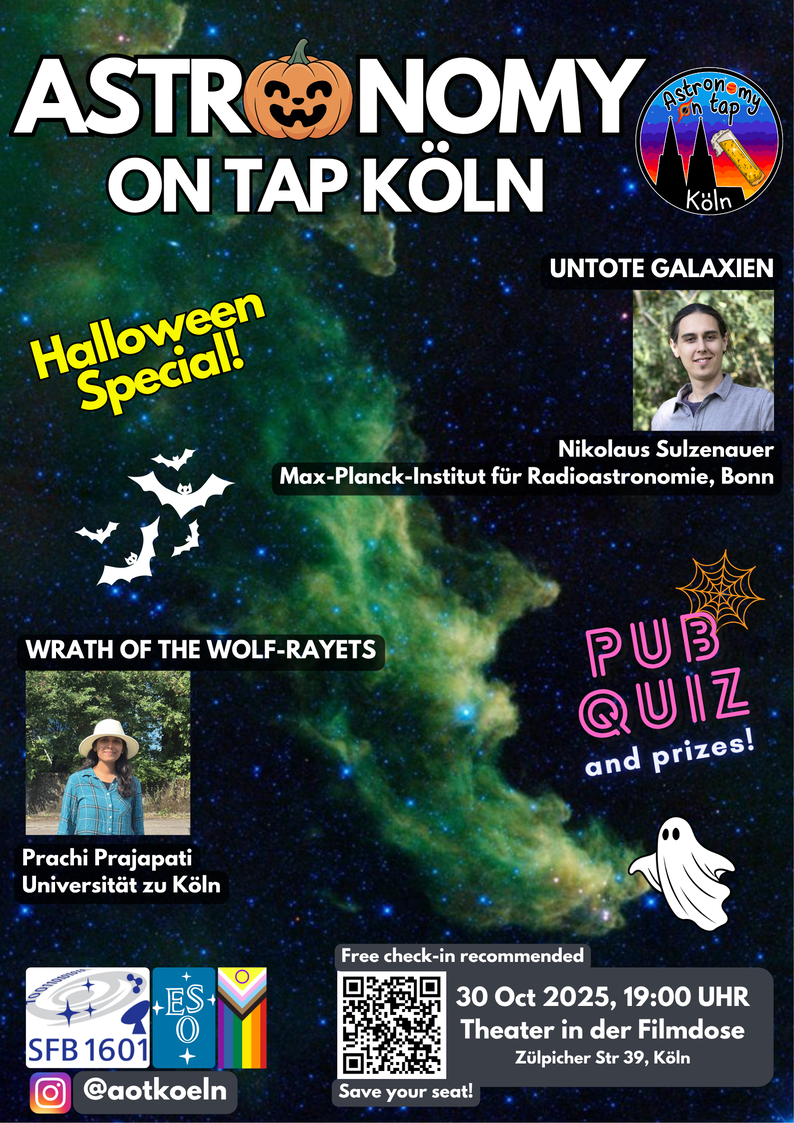
Join us for the Halloween special of Astronomy on Tap Köln on October 30
Every month, Astronomy on Tap Köln brings you fun and enlightening talks in German and English! Join us to find what Astrophysicists are up to in solving the puzzles of the cosmos.
Make sure to show off your smarts in the exciting Pub Quiz. Winners get astronomy goodies from the European Southern Observatory, SOFIA and other cool telescopes, to take home!

Markus Röllig: Hat das James-Webb-Teleskop wirklich Aliens entdeckt? (31.10.2025)
Hat die NASA den ersten Hinweis auf außerirdisches Leben erschnüffelt?
Das James-Webb-Weltraumteleskop (JWST) hat in der Atmosphäre des Exoplaneten K2-18 b Methan und CO₂ nachgewiesen – und möglicherweise auch Dimethylsulfid, ein Gas, das auf der Erde ausschließlich durch biologische Prozesse entsteht. Doch wie verlässlich ist ein Signal mit einer Signifikanz von „drei Sigma“? Der Vortrag bietet einen Einblick in die Methoden zur Entschlüsselung von Exoplanetenatmosphären und zeigt, wie die Wissenschaft zwischen fundierten Ergebnissen und bloßer Spekulation unterscheidet.
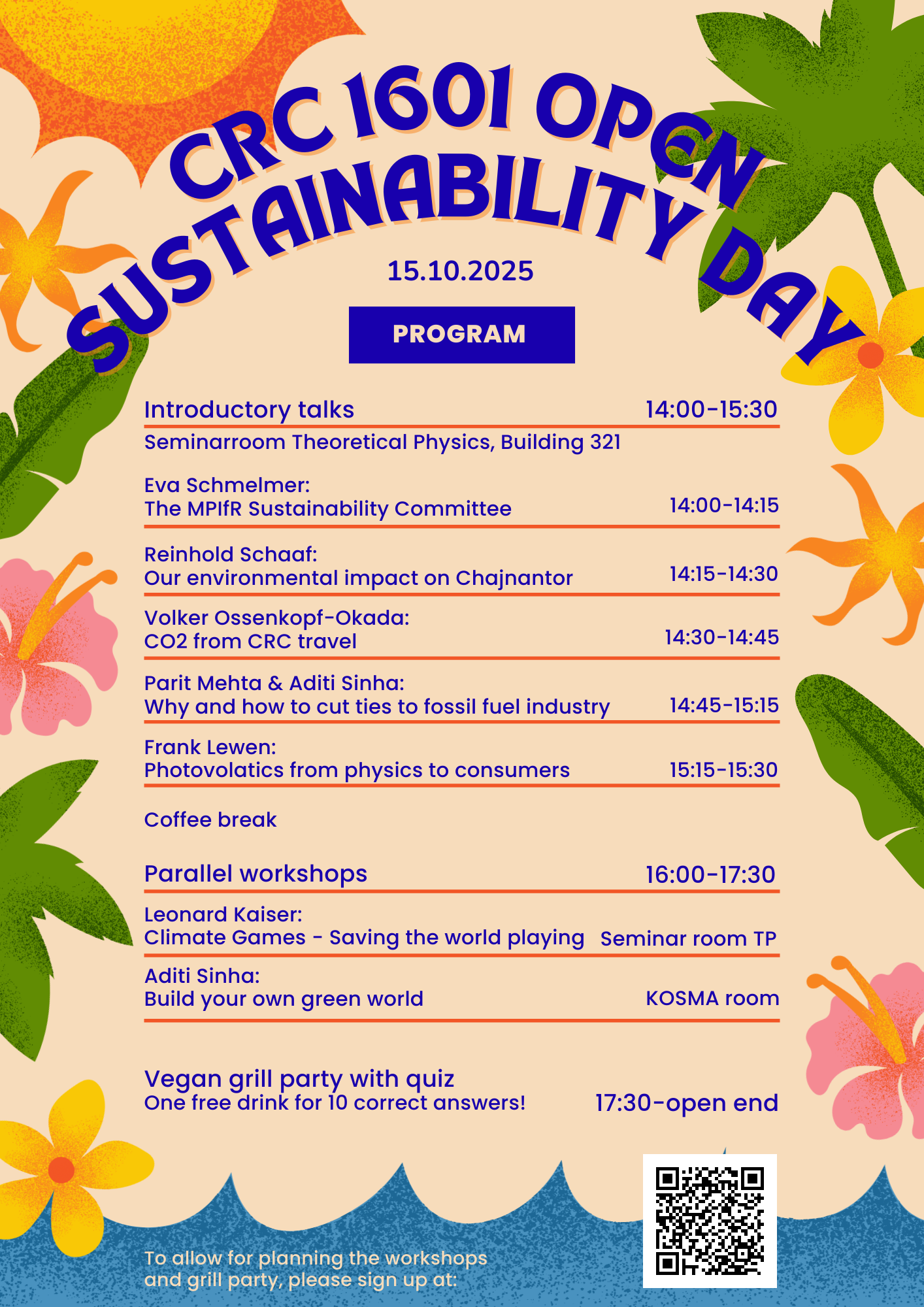
CRC 1601 Sustainability Day
The CRC 1601 Sustainability Board invites you to the next Sustainability Day. A full afternoon is dedicated to interesting topics and workshops and will be completed by a vegan BBQ accompanied by a quiz.
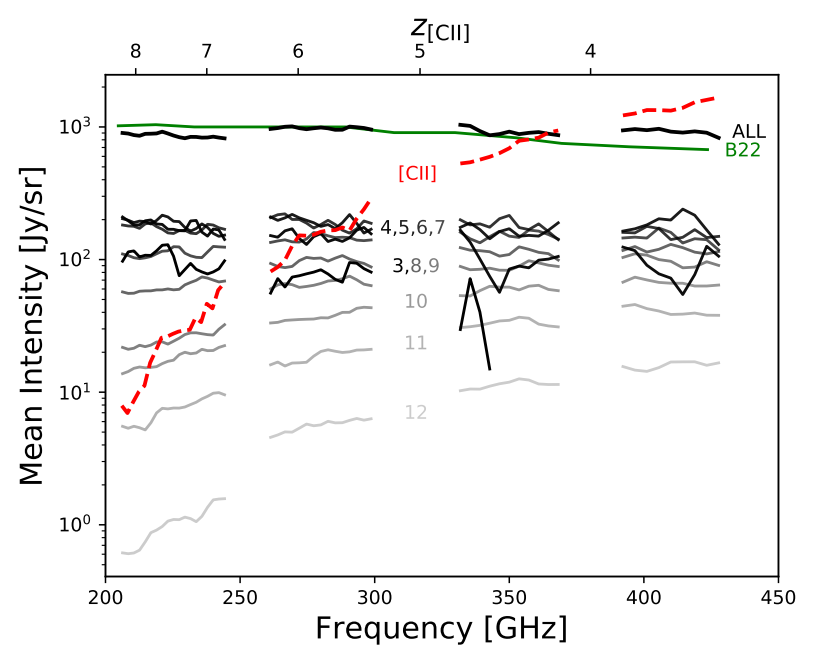
C3: Tracing star formation in the early galaxies with FYST/CCAT: Foreground Masking (Christos Karoumpis)
In our recent Astronomy & Astrophysics paper, we explore the prospects of using [CII] line intensity mapping (LIM) observational technique with the upcoming FYST / Prime-Cam instrument to study galaxies that formed about 0.5–1.5 billion years after the Big Bang. LIM measures the cumulative emission from many faint galaxies without resolving them individually, offering a powerful way to trace the contribution of sources too faint to be detected even with state-of-the-art telescopes. The [CII] 158 µm line is a key tracer of star formation in these early systems, but its signal is strongly contaminated by foreground CO emission from later galaxies along the line of sight.

New Program of the Public Observatory Cologne
The Public Observatory Cologne is a private institution which is run by the members of the “Vereinigung der Sternfreunde Köln e.V.” on a voluntary basis. This association of interested amateurs and amateur astronomers was founded in 1922 with the aim of disseminating basic astronomical knowledge to the public and promoting the training and further education of active amateur astronomers within the scope of the available possibilities.With the 60cm refractor “Cologne Large Telescope” (CLT) installed in 2012, the Volkssternwarte Köln operates the largest freely accessible telescope in North Rhine-Westphalia
CRC1601 colloquium winter semester 2025/2026
The colloquium program for the winter semester 2025/2026 is online. https://sfb1601.astro.uni-koeln.de/events/sfb1601-colloquium/
Simon Dannhauer: Diamanten, Fliegende Sternwarten und Erkenntnisgewinn in der Wissenschaft (10.10.2025)
Wissenschaftliche Durchbrüche entstehen selten linear – der Weg von der ersten Hypothese zur Publikation ist geprägt von Umwegen, Zufällen und unerwarteten Entdeckungen. Dieser Prozess versteckt sich meist hinter der finalen Publikation und bleibt der Allgemeinheit im Dunklen. Dieser Vortrag beleuchtet den oft verborgenen Forschungsprozess am Beispiel aktueller Forschung zur Sternentstehung in unserer Milchstraße. Wie beeinflussen Sterne die Molekülwolken, aus welchen sie entstehen? Was bedeutet das für die nächste Generation von Sternen? Die Suche nach fundamentalen Antworten auf diese Fragen ist oft überraschend menschlich und macht Forschung greifbar. Dabei zeigt sich oft auch, warum neue Fragen häufig neue Instrumente erfordern, wie das revolutionäre FYST-Teleskop, welches momentan in Chile gebaut wird.
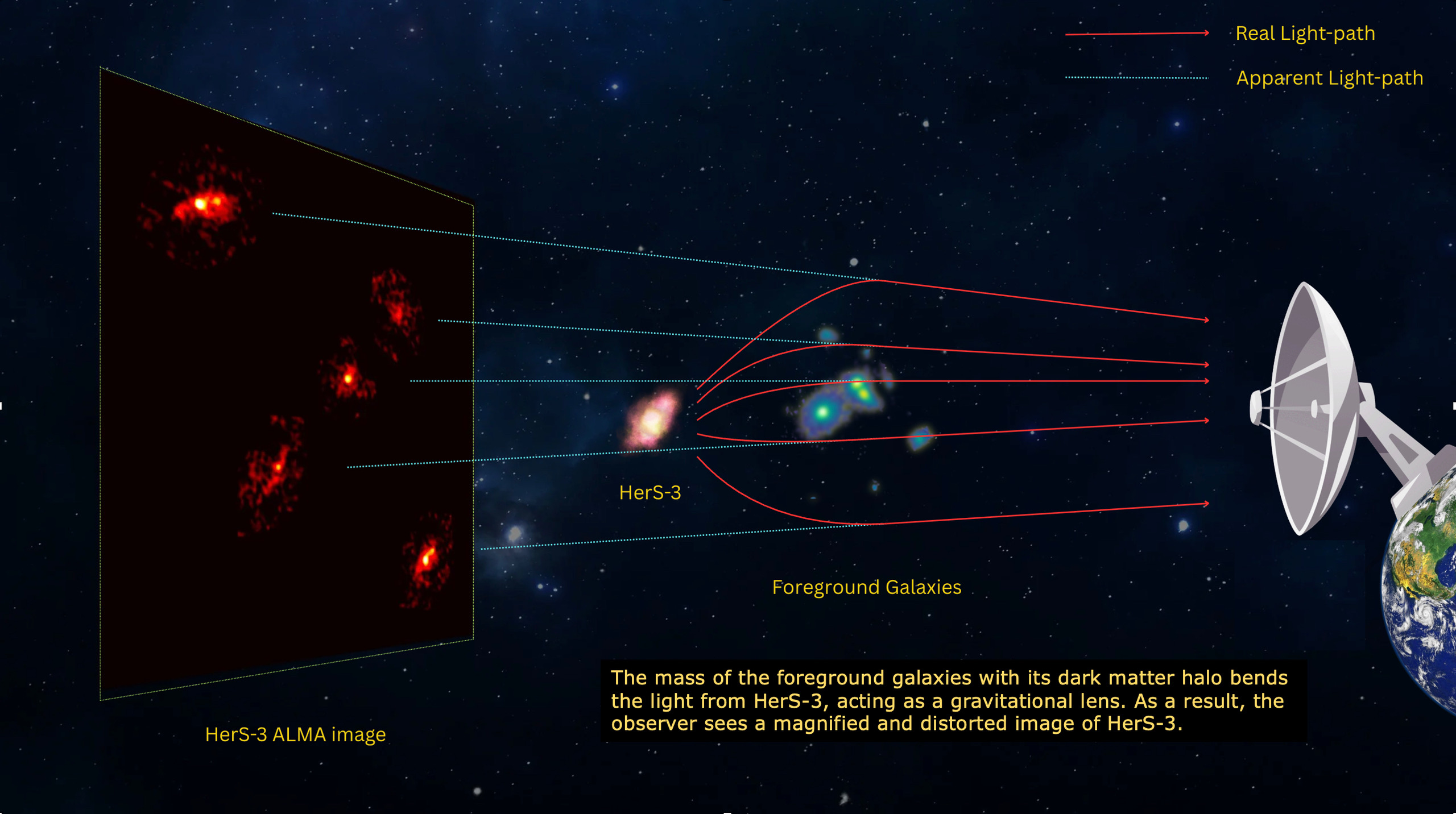
An extraordinary Einstein cross reveals hidden dark matter
An international team of astronomers has observed a galaxy in the early universe that has the rare shape of an Einstein cross. The Einstein cross is an astronomical phenomenon in which the light of a very distant galaxy is bent by the gravitational force of an intervening galaxy in front of it. This makes the distant object appear to us as if it were several, usually four, images arranged in a cross shape around the galaxy in front of it – an effect known as gravitational lensing. The Einstein cross that has now been discovered also has a fifth central image. The researchers showed that the arrangement of these five images can only be explained by the presence of a dark matter halo associated with the foreground group of galaxies. The results have been published under the title ‘HerS-3: An Exceptional Einstein Cross Reveals a Massive Dark Matter Halo’ in The Astrophysical Journal.

Join us next week at our new Astronomy on Tap Köln season of WiSe 2025-2026!
Every month, Astronomy on Tap Köln brings you fun and enlightening talks in German and English! Join us to find what Astrophysicists are up to in solving the puzzles of the cosmos.
Make sure to show off your smarts in the exciting Pub Quiz. Winners get astronomy goodies from the European Southern Observatory, SOFIA and other cool telescopes, to take home!
Eduard Keilmann: Kosmische Wiegenknappheit: Warum Sternengeburten rar sind und was uns ihr Geburtsort verrät (5.9.25)
Warum sind Sterngeburten rar und welche Prozesse bremsen die Sternentstehung? Einfache Überlegungen führen zu deutlich überhöhten Geburtenraten von Sternen. Es müssen also weitere Mechanismen existieren, die die Geburtenrate verringern. Wir gehen auf die Suche dieser Mechanismen und widmen uns danach der Milchstraße und der M33 Galaxie, um zu untersuchen, wie sich die Stern-Geburtenraten in beiden Galaxien unterscheiden.