
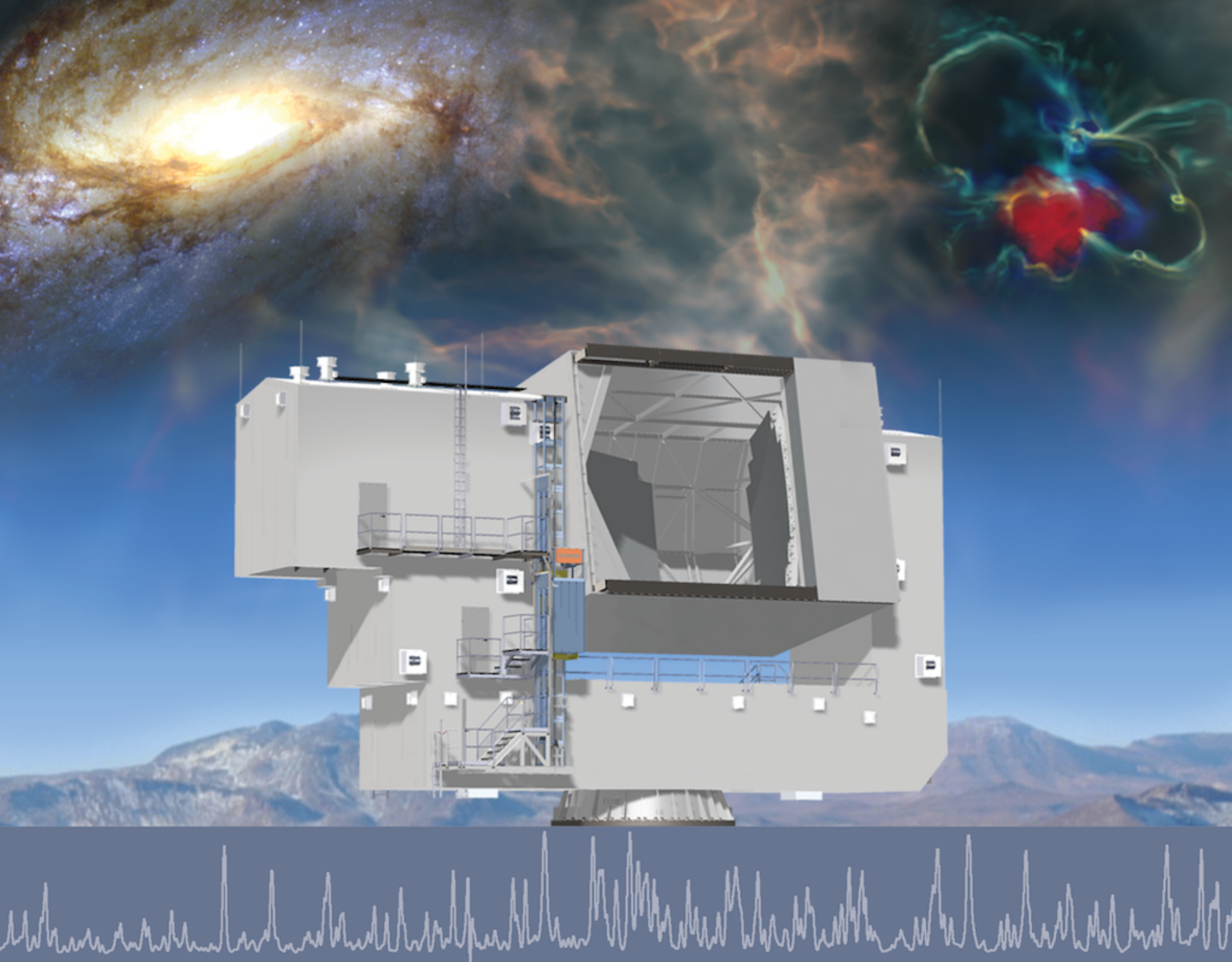
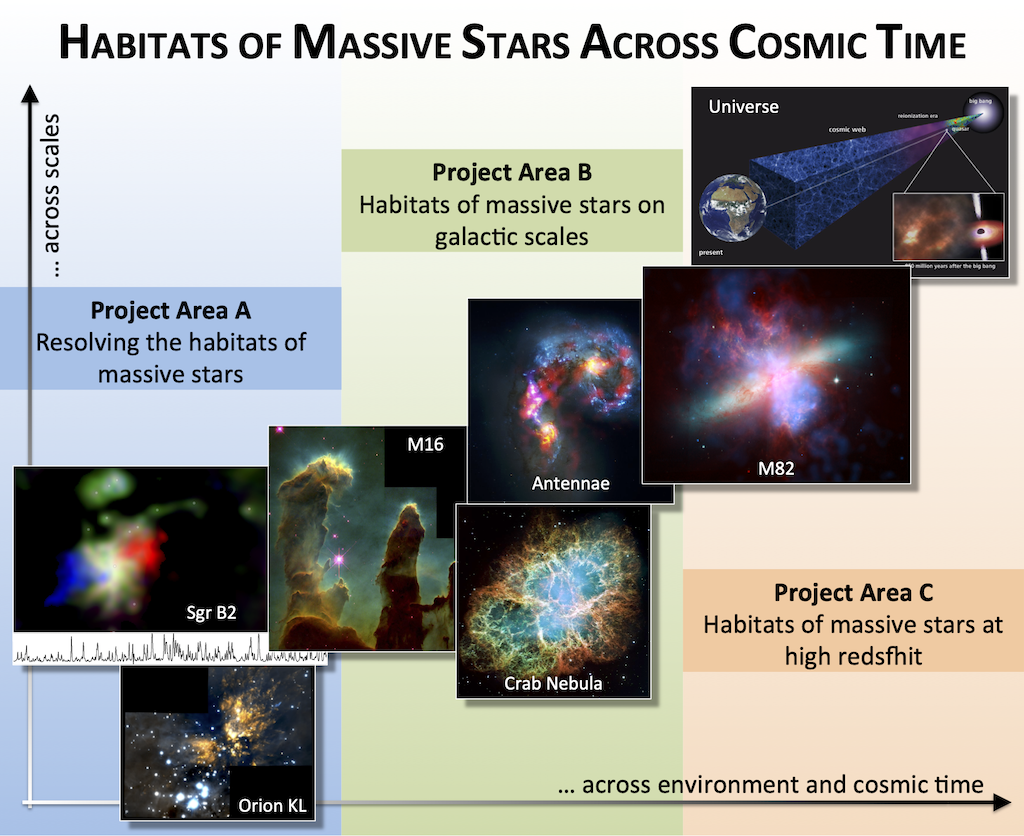
Massive stars, due to their short lifetime and high energy output, drive the evolution of galaxies across cosmic time. Hence, they substantially contribute to shaping the present-day Universe. The Collaborative Research Centre (CRC) will unravel the “habitats of massive stars across cosmic time”. “Habitats” are the gaseous environments within which massive stars are born and which they interact with via their feedback. Over the anticipated 12-year lifetime of this new CRC initiative, we aim to connect the physical processes that govern the habitats of massive stars across the full range of environments hosting massive stars – from sub-parsec to mega-parsec scales and from the Milky Way to the high-redshift Universe, where massive stars leave their cosmological fingerprint by driving cosmic reionisation.
Key Profile Area
“Dynamics of the Universe”
Our universe is full of fascinating, mysterious and often surprising phenomena. Understanding and explaining this in physical terms is the task of the new key profile area Dynamics of the Universe.
The Dynamics of the Universe key profile area establishes an excellent environment for training, early contact with current research, and exchange in international co-operations and competitions. In addition, the interdisciplinary collaboration between the fields of physics, computer science and applied mathematics will be strengthened in the long term. This is particularly important given the need to meet unprecedented challenges arising from the large amounts of observational data being generated by way of innovative ideas and algorithms, and to enable and efficiently advance complex simulations using new hardware technologies.
SFB 1601 News
Public Outreach
Symposium 2026
HRMS 2025
Colloquium
Child Care
Publications
Videos & Articles
SFB 1601 Projects
PhD Students
Family & Diversity
Sustainability
Science Highlight
-
B7: 8-Port Power Divider for the CHAI Receiver (Matthias Justen)
We are currently building the CCAT Heterodyne Array Instrument (CHAI) to be operated at the FYST-telescope. CHAI is a 64-pixel high-resolution spectrometer for two frequency bands around 460 GHz (650 µm) and 800 GHz (370 µm). For optimum instrument stability, CHAI uses balanced SIS mixers, which receive their Local Oscillator (LO) signal through an input port separate from the measurement signal input.
In order to distribute the LO power to the individual mixers, we developed a waveguide power splitter with an extremely even splitting ratio over the required bandwidth. Since the LO source is distributed to up to 32 mixers, we are employing a 5-level cascade of this divide-by-two splitter. Excessive asymmetry in the splitting ratio of a single unit would result in unacceptable power differences between the outputs of the cascade. Each of our splitting stages uses a simple Y-junction, upgraded by a drop-in chip, which suppresses crosstalk between the two outputs.
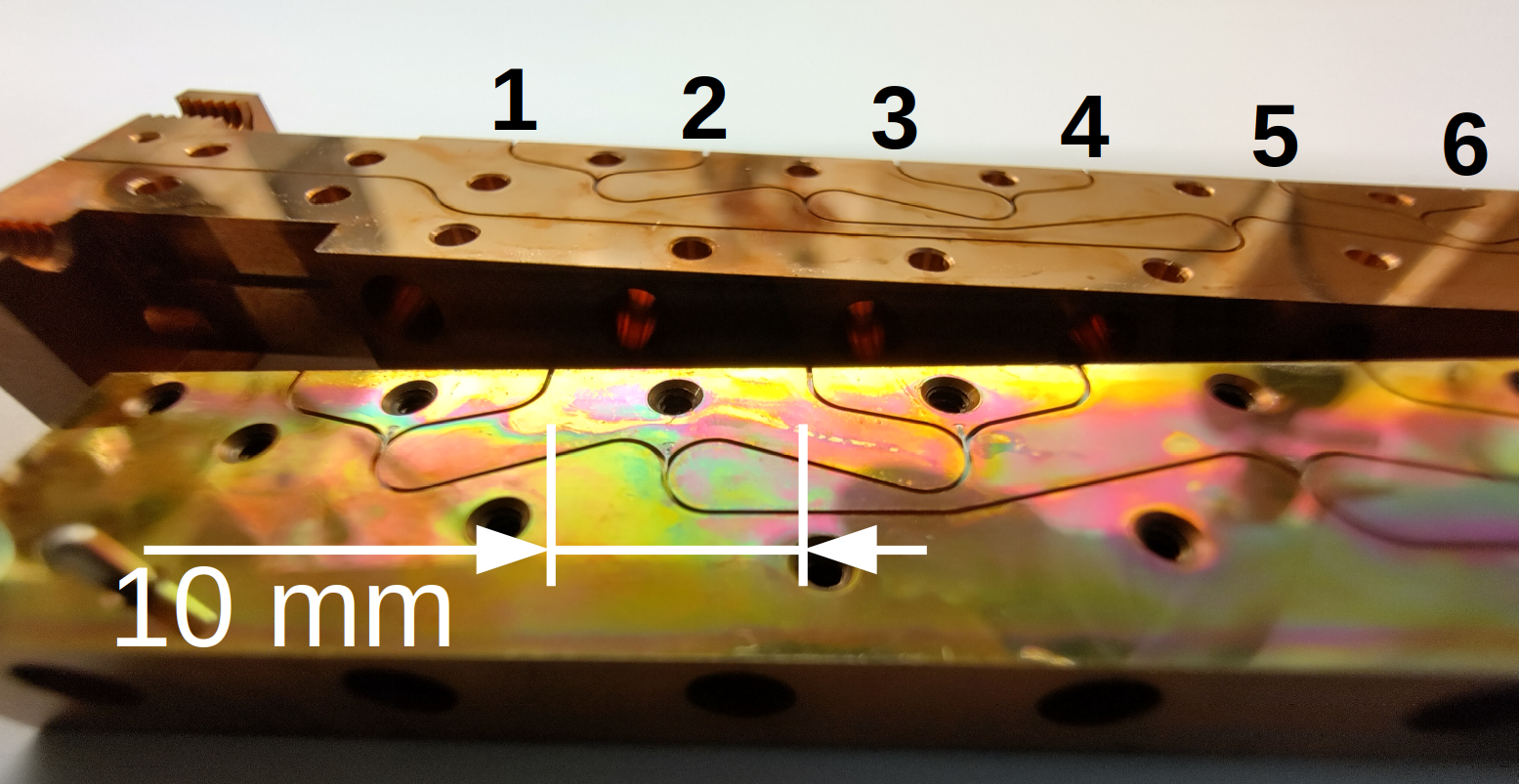
In order to illustrate the suitability of the concept for a multi-level cascade of binary splitters, we built the first section of CHAI’s LO distribution network: a 3-level cascade, which results in 8 equal output ports to serve one row of 8 mixer blocks in CHAI’s focal plane. The photograph shows a device manufactured as E-plane split block at our precision workshop. Waveguide dimensions are 0.460 mm x 0.230 mm for the low-frequency band of CHAI (420 – 510 GHz). Visible at each junction are the chips (600 µm x 60 µm) for the isolation between the output ports, which were manufactured in our microfabrication lab.
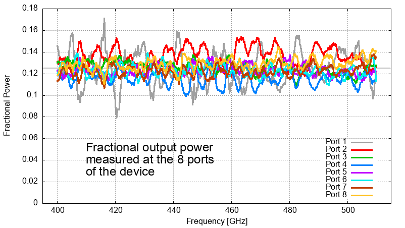
The graph shows the output power distribution measured at the 8 output ports of the 3-level cascade over the nominal bandwidth. No systematic asymmetry can be seen in the signal. The maximum power scatter – including significant measurement noise – is below 40% of the nominal output power – well within our tolerance range.
Title figure: Photograph of the two split-block halves of the 8-way power divider, showing the waveguides with the isolator chips. Output ports are numbered.
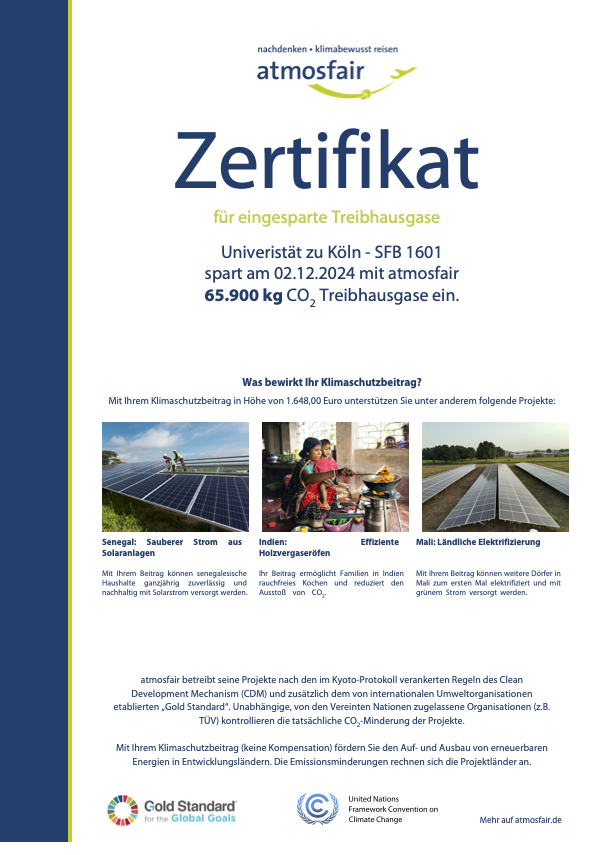
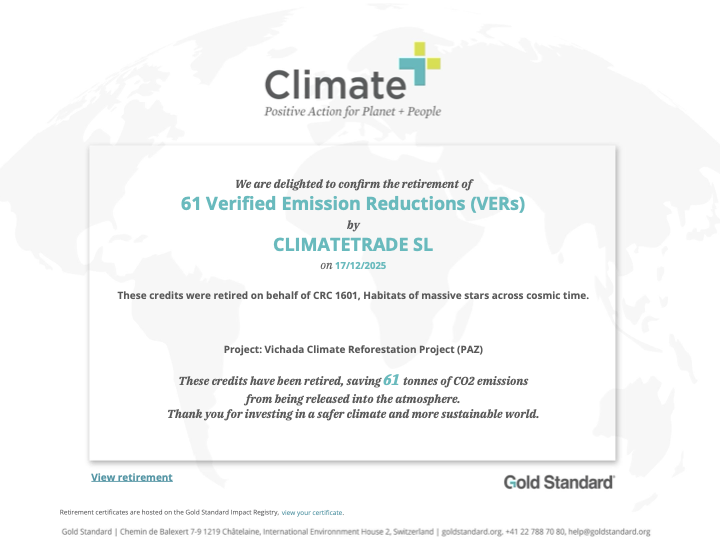
We value our Planet:
1st funding period: 10/2023 – 06/2027